














Key Takeaways
- Fresno drug rehab can help clients identify personal triggers, recognize cravings earlier, and practice healthier responses before difficult situations lead back to substance use.
- Stress, trauma, mental health concerns, people, places, emotions, and memories can trigger cravings, making personal coping strategies an important part of addiction treatment.
- My Time Recovery helps clients practice coping skills, healthy routines, communication, and trigger management through structured addiction and mental health treatment in Fresno.
Addiction triggers can appear in everyday life and create strong urges to use drugs or alcohol. Stress, certain people, familiar places, difficult emotions, and memories can all bring back cravings, even after someone has stopped using substances. Fresno drug rehab can help people recognize their personal triggers and practice healthier ways to respond before cravings become harder to manage. With treatment and continued practice, people can become more prepared to handle difficult situations without returning to substance use. At My Time Recovery, clients can work on addiction triggers, mental health, coping skills, and healthy routines in a supportive Fresno treatment setting.
Addiction Treatment and Relapse Trigger Statistics
Addiction triggers matter because substance use disorders affect millions of people across the country. According to the Substance Abuse and Mental Health Services Administration, 48.4 million people ages 12 and older had a substance use disorder in 2024, representing 16.8% of that population. Among young adults ages 18 to 25, the rate was even higher at 25.9%.
Treatment access also remains an issue. SAMHSA reported that 52.6 million people ages 12 and older needed substance use treatment in 2024, but only 19.3% of those who needed treatment received it during the previous year.
Research from the National Institute on Drug Abuse has identified stress, exposure to drugs, and cues connected with previous substance use as common relapse triggers. These cues can include people, places, objects, and moods associated with past drug use. NIDA also explains that behavioral treatment can help people build skills for handling stressful situations and environmental cues that may cause strong cravings.
These numbers show why addiction treatment should prepare people for more than simply stopping substance use. Clients also need practical ways to handle what happens when triggers and cravings appear.
How Can Fresno Drug Rehab Help Manage Addiction Triggers?
Fresno drug rehab can help clients identify the people, places, emotions, and situations that increase cravings for drugs or alcohol. Common triggers may include stress, loneliness, arguments, certain friends, or familiar places connected to past substance use.
At My Time Recovery, individual and group therapy can help clients recognize these patterns and practice healthier responses. Coping skills may include asking for support, leaving risky situations, exercising, or using calming techniques that can also be used after treatment.
What Are the Most Common Triggers for Drug and Alcohol Use?
Addiction triggers can include people, places, emotions, memories, or situations connected to past substance use. NIDA notes that stress and reminders of previous drug use can increase cravings and relapse risk.
Common emotional triggers include anger, loneliness, boredom, anxiety, sadness, and frustration. Social events, certain friends, or familiar places can also trigger cravings. Recognizing these triggers early gives someone a chance to choose a healthier response instead of returning to drugs or alcohol.
Common Addiction Triggers and Healthier Responses
Addiction Trigger | Possible Healthy Response |
Stress | Exercise, breathing, or talking with someone |
Conflict | Step away and return to the conversation calmly |
Loneliness | Contact supportive friends or family |
Old substance using friends | Leave the situation or contact recovery support |
Certain places | Change routes or avoid high risk settings |
Difficult memories | Use therapy skills or contact support |
Boredom | Plan healthy activities |
Cravings | Pause, change environments, and use coping skills |
How Can Stress and Difficult Emotions Trigger Substance Use?
Stress can trigger cravings when someone has used drugs or alcohol to cope with work, relationships, finances, grief, anxiety, or other problems. NIDA research has also linked stress related cravings with a higher risk of returning to substance use.
Changes such as irritability, poor sleep, or isolation can be early signs that stress is building. At My Time Recovery, therapy and supportive activities can help clients recognize these signs and practice healthier ways to manage stress without drugs or alcohol.
How Can Trauma and Mental Health Affect Addiction Triggers?
Trauma and mental health concerns can make stress and difficult emotions harder to manage. Anxiety, depression, painful memories, poor sleep, or certain situations may trigger cravings, especially if drugs or alcohol were used to cope in the past.
At My Time Recovery, mental health treatment, Trauma Therapy, and EMDR can help clients address emotional triggers and build healthier coping skills at a pace that feels comfortable.
How Does Drug Rehab Help People Recognize Their Personal Triggers?
Drug rehab can help people identify patterns that lead to cravings or substance use. Common triggers may include arguments, loneliness, certain people, stress, or having too much free time.
My Time Recovery uses individual and group therapy to help clients recognize these triggers and notice early warning signs. Knowing what to watch for can give clients more time to use healthy coping skills before cravings become stronger.
What Coping Skills Can Help Manage Addiction Triggers and Cravings?
Coping skills can help people respond to triggers and cravings without using drugs or alcohol. Helpful options may include exercise, breathing techniques, calling someone for support, leaving a risky situation, or doing a creative activity.
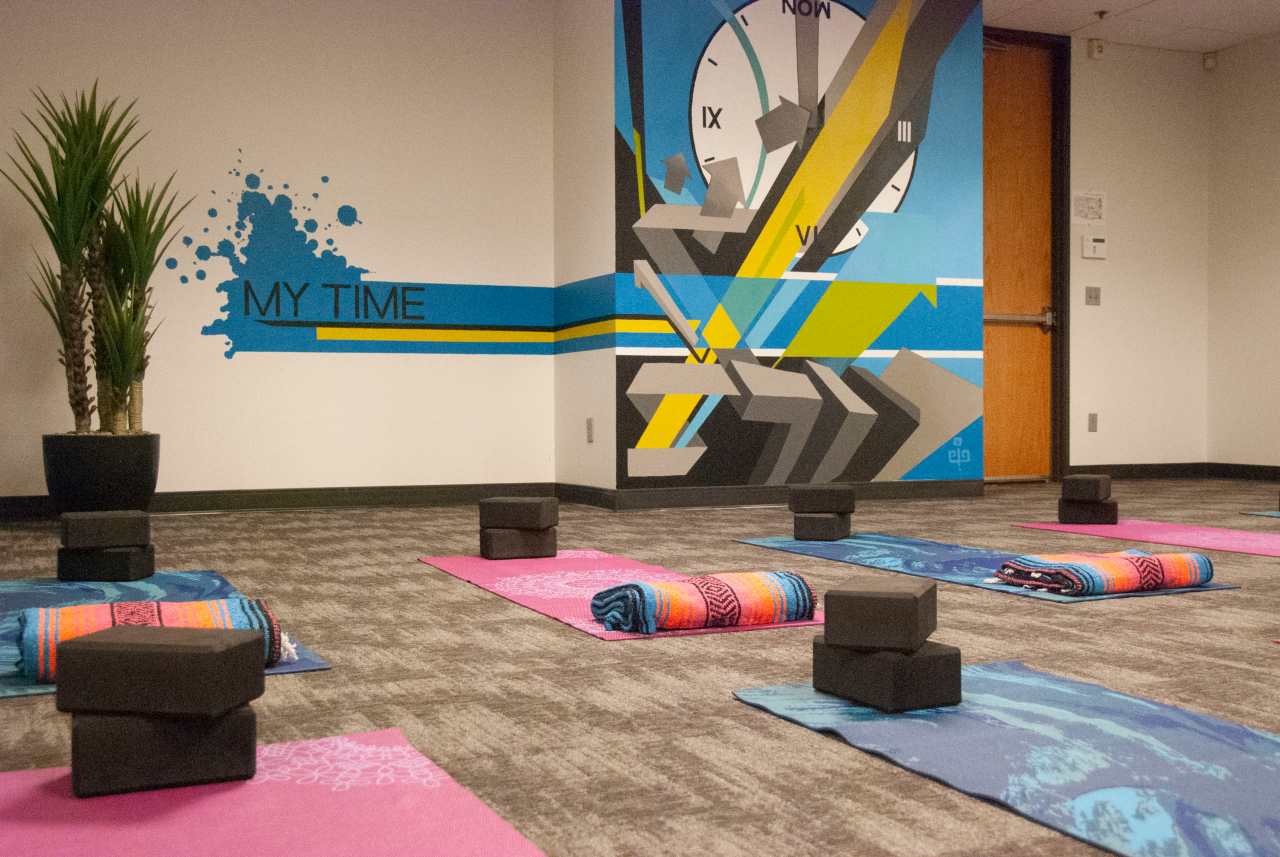
At My Time Recovery, clients can use art therapy, fitness, yoga, adventure activities, and sound based practices to manage stress and emotions. Individual and group therapy can also help clients practice coping skills they can use when triggers come up in everyday life.
A Simple Trigger Management Plan
Step | What to Do |
Notice | Recognize the situation, emotion, or craving |
Pause | Give yourself time before reacting |
Identify | Ask what triggered the craving |
Respond | Use a healthy coping skill |
Connect | Reach out for support if needed |
Review | Think about what worked and what needs to change |
Trigger management becomes stronger with practice. The goal is to build several healthy responses so one difficult moment does not have to control what happens next.
How Can Healthy Routines Reduce the Risk of Returning to Substance Use?
Healthy routines can provide structure and reduce boredom, stress, and unplanned time that may lead to cravings. Regular sleep, meals, exercise, therapy, and time with supportive people can also make it easier to notice when unhealthy habits start returning.
At My Time Recovery, clients can build healthy routines through fitness, yoga, adventure activities, art therapy, and individual and group therapy. Our social model approach also helps clients practice communication, coping skills, and accountability in a drug and alcohol free environment.
How Does Fresno Drug Rehab Prepare Clients to Handle Triggers After Treatment?
Fresno drug rehab can prepare clients for life after treatment by helping them identify triggers and plan how to handle them. Stress from work, family, finances, relationships, or familiar places can bring back cravings, so having healthy coping skills and support can make a difference.
My Time Recovery offers Detox, Residential Treatment, Day Treatment, Evening IOP, mental health treatment, age specific care, and veteran assistance. These levels of care can help clients continue working on triggers, coping skills, and healthy routines as they move forward in recovery.
Why Do People Choose My Time Recovery for Addiction Treatment in Fresno?
People choose My Time Recovery because we address addiction, mental health, trauma, triggers, and daily habits in a supportive setting. Our family owned Fresno treatment center offers Detox, Residential Treatment, Day Treatment, Evening IOP, mental health treatment, age specific care, and veteran assistance.
Clients can also participate in individual and group therapy, Trauma Therapy, EMDR, art therapy, fitness, yoga, and other supportive activities. My Time Recovery uses a social model approach that helps clients practice healthy routines, coping skills, communication, and accountability in a drug and alcohol free environment. We are also LegitScript certified and proudly serve Fresno and the Central Valley.
Managing Addiction Triggers Can Support Long Term Recovery
Addiction triggers may include stress, emotions, trauma, people, places, memories, and situations connected with past substance use. Treatment can help people recognize these triggers earlier and practice coping skills before cravings become harder to manage. Healthy routines, therapy, mental health care, and supportive relationships can also make difficult situations easier to handle. Learning how to respond to triggers takes practice, but each healthy response can help protect the progress made during treatment. My Time Recovery provides addiction and mental health treatment in Fresno to help clients build skills for recovery and everyday life. Call My Time Recovery Today!
Frequently Asked Questions
What is an addiction trigger?
An addiction trigger is a person, place, emotion, memory, situation, or other cue that creates thoughts about drugs or alcohol or increases cravings. Triggers are different for each person.
How can I figure out what triggers my substance use?
Pay attention to what happens before cravings begin, including where you are, who you are with, what you are feeling, and what happened earlier in the day. Therapy can help identify patterns that may be difficult to notice on your own.
Can stress cause addiction cravings?
Yes. Stress can increase cravings, especially when someone previously used drugs or alcohol to cope with pressure or difficult emotions. NIDA research has linked stress and stress related craving with relapse risk in people with substance use disorders.
What should I do when an addiction trigger causes a strong craving?
Try to pause, leave the triggering situation if possible, use a coping skill, and contact someone you trust or a treatment professional. A personal relapse prevention plan can also give you clear steps to follow when cravings appear.
Where can I get help managing addiction triggers in Fresno?
My Time Recovery provides addiction and mental health treatment in Fresno through Detox, Residential Treatment, Day Treatment, Evening IOP, mental health treatment, age specific care, and veteran assistance.