













Key Takeaways:
-
Checking into residential rehab involves steps like recognizing the need for help, researching local inpatient centers, consulting healthcare providers, and preparing for admission.
-
Checking into rehab provides access to structured support through detox, therapy, education, and holistic treatments designed to help individuals overcome addiction and build a foundation for lasting recovery.
-
My Time Recovery in Fresno, CA helps simplify checking into rehab by providing personalized residential treatment, compassionate support, and aftercare planning to promote long-term recovery success.
How to Check Yourself Into Residential Rehab
If you are wondering how to check yourself into rehab, the process is usually simpler than many people expect. Most treatment centers guide individuals through a confidential assessment, insurance verification, admissions paperwork, and treatment planning before admission. Depending on your needs, you may begin with medical detox before transitioning into residential treatment.
The basic steps for checking into rehab include:
-
Recognizing the need for professional help
-
Learning how residential rehab works
-
Researching treatment centers near you
-
Speaking with an admissions specialist
-
Completing an assessment
-
Preparing for admission
-
Beginning treatment
-
Creating an aftercare plan
How to Check Into Rehab: Step-by-Step
Recognize That You Need Help
Recovery begins with acknowledging that addiction has become difficult to manage alone. While this can be one of the most challenging parts of the recovery process, it is also one of the most important. Seeking treatment is not a sign of weakness. It is an investment in your health, relationships, and future.
Learn How Residential Rehab Works
Residential rehab, also known as inpatient treatment, allows clients to live at a treatment center while receiving structured care for substance use disorders. Programs typically include medical supervision, individual therapy, group counseling, addiction education, relapse prevention planning, and holistic therapies.
Most residential rehab programs last between 30 and 90 days, although some people may benefit from longer stays depending on their needs. The goal is to create a safe, supportive environment where individuals can focus entirely on recovery without the distractions of daily life.
Find A Residential Rehab Center Near You
Once you decide that inpatient treatment is the right choice, the next step is finding a rehab center that fits your needs.
You can begin by:
-
Searching online for residential rehab centers near you
-
Reading patient reviews and testimonials
-
Using SAMHSA’s treatment locator
-
Asking healthcare providers for recommendations
-
Contacting treatment centers directly to learn about their programs
Choosing the right facility is one of the most important decisions you will make during the recovery process.
Speak With An Admissions Specialist
Most treatment centers have admissions teams that can walk you through the process of checking into rehab. During this conversation, you can discuss:
-
Your substance use history
-
Mental health concerns
-
Insurance coverage
-
Program options
-
Treatment length
-
Admission availability
This initial conversation helps determine the level of care that best fits your situation.
Prepare For Admission
Once you select a treatment center, it is time to prepare for admission.
Before entering rehab, you should:
-
Pack approved clothing and personal items
-
Arrange care for children or pets if needed
-
Notify employers or family members
-
Organize financial obligations
-
Prepare mentally for treatment
Taking care of these responsibilities beforehand allows you to focus fully on recovery once treatment begins.
Complete The Admissions Process
When you arrive at rehab, the admissions process typically begins with a comprehensive assessment. This may include a medical evaluation, mental health screening, and review of your substance use history.
Depending on your needs, medical detox may be recommended before beginning residential treatment. Once the assessment process is complete, your treatment team will develop a personalized care plan designed to support your recovery goals.
What Happens After Checking Into Rehab?
Many people feel nervous about checking into rehab because they do not know what to expect. Understanding what happens after admission can make the process feel less intimidating and help you prepare for treatment. While every facility is different, most residential rehab programs follow a structured schedule designed to support recovery and long-term success.
Daily Life In Residential Rehab
After checking into rehab, you can expect a structured daily routine that includes therapy, meals, wellness activities, and time for personal reflection. A consistent schedule helps create stability and allows you to focus fully on recovery without the distractions and triggers of everyday life.
Therapy And Counseling
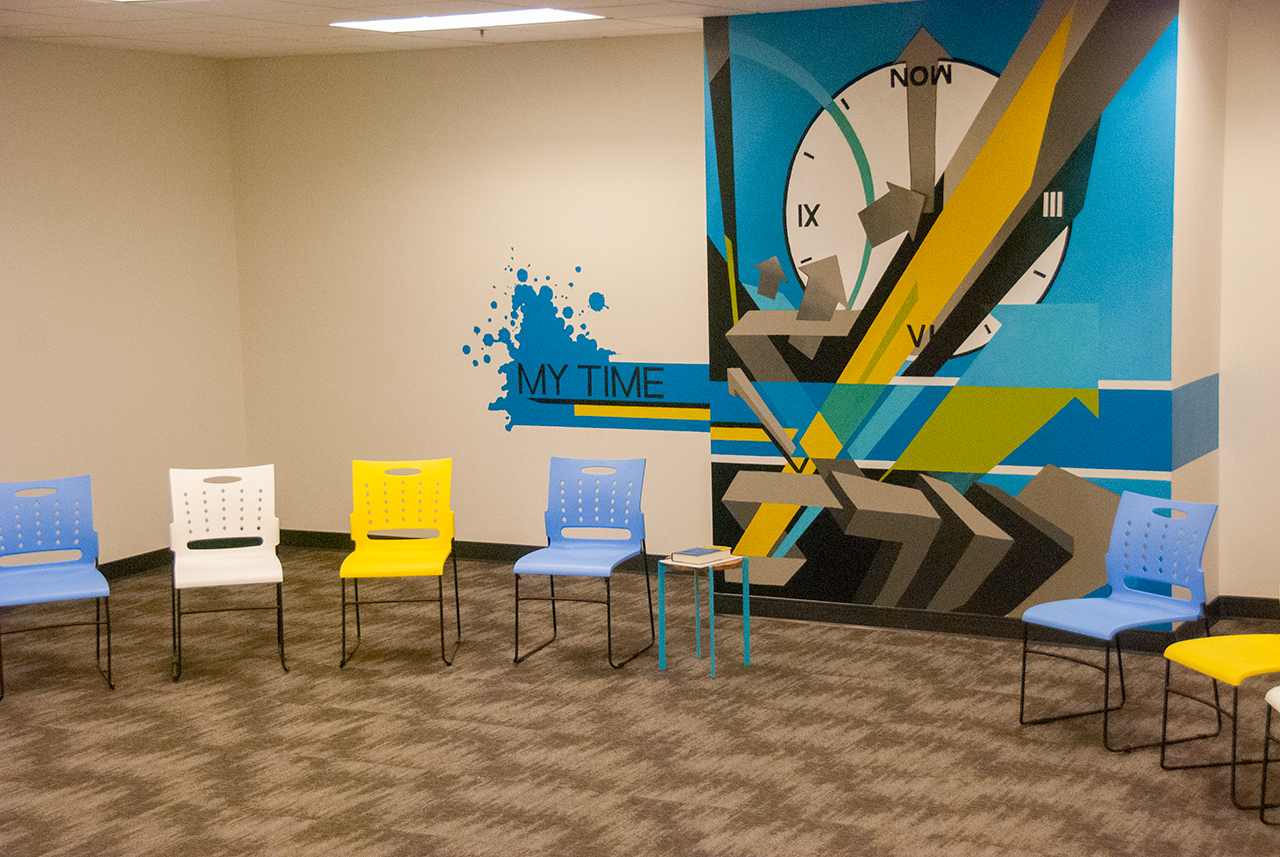
Therapy is one of the most important parts of residential treatment. Most programs include individual counseling, group therapy, and family therapy when appropriate. These sessions help clients identify the underlying causes of addiction, develop healthy coping skills, and build a strong foundation for long-term recovery.
Addiction Education
Learning about addiction is an important part of the healing process. Many residential rehab programs provide educational sessions that explain how addiction affects the brain and body, common relapse triggers, and strategies for maintaining sobriety after treatment.
Holistic Therapies
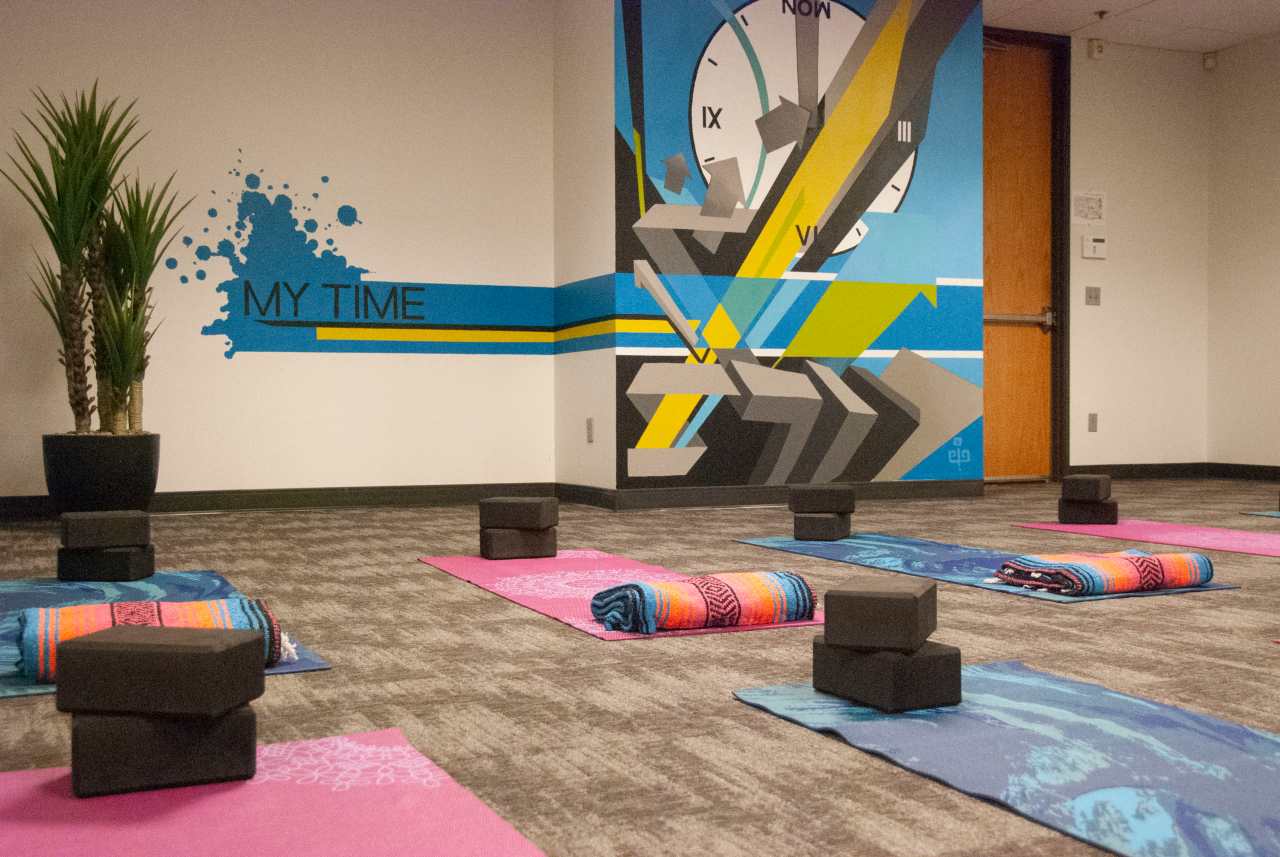
Many treatment centers incorporate holistic therapies alongside traditional counseling. Activities such as yoga, meditation, fitness training, art therapy, and mindfulness exercises can help reduce stress, improve emotional well-being, and support overall recovery.
Recovery Community Support
One of the biggest benefits of residential treatment is the opportunity to connect with others who understand what you are experiencing. Building relationships with peers in recovery can provide encouragement, accountability, and a sense of belonging throughout the treatment process.
What Happens After Residential Rehab?
Completing residential treatment is a major accomplishment, but recovery does not end when rehab does. One of the most important aspects of checking into rehab is understanding the plan for continued support after treatment. Ongoing care can help reduce the risk of relapse and provide the tools needed to maintain long-term sobriety.
Outpatient Therapy
Many people continue treatment through outpatient therapy after leaving residential rehab. These sessions allow clients to address challenges that arise in daily life while maintaining accountability and support from licensed professionals.
Support Groups
Support groups such as Alcoholics Anonymous (AA), Narcotics Anonymous (NA), SMART Recovery, and other peer-based programs can provide valuable encouragement after treatment. These groups help individuals stay connected to a recovery community and reinforce healthy habits.
Sober Living
Some people choose to transition into a sober living home after residential treatment. Sober living environments offer structure, accountability, and peer support while individuals gradually return to work, school, and family responsibilities.
Relapse Prevention
A relapse prevention plan is one of the most important tools developed during treatment. This plan helps people identify triggers, manage cravings, build healthy routines, and know what steps to take if they encounter challenges during recovery. Learning these skills before leaving treatment is a key benefit of checking into rehab and can significantly improve long-term outcomes.
Residential Rehab In Fresno, CA
If you are researching how to check into rehab in Fresno, you are already taking an important step toward recovery. Residential rehab provides a safe, structured environment where people can focus entirely on healing while receiving professional support for substance use and co-occurring mental health disorders.
At My Time Recovery, we understand that checking into rehab can feel nerve wracking. Our team works closely with each client to simplify the admissions process, answer questions, verify insurance coverage, and create a personalized treatment plan based on personal needs. Whether you require medical detox, residential treatment, or ongoing support after rehab, our goal is to make the transition into treatment as smooth and comfortable as possible.
Checking Yourself into a Residential Rehab in Fresno, CA
Learning how to check into rehab is often the first step toward a healthier future. Whether you are struggling with alcohol addiction, drug addiction, or a co-occurring mental health condition, professional treatment can provide the support, structure, and guidance needed to begin recovery.
At My Time Recovery, we make checking into rehab as simple and stress-free as possible. Our Fresno treatment center offers medical detox, residential treatment, outpatient programs, dual diagnosis care, and aftercare planning tailored to each client’s personal needs. If you are ready to take the next step, Call My Time Recovery Today!
FAQs
Can a person check themselves into rehab?
Yes, most people can voluntarily check themselves into rehab without a referral. Contacting a treatment center directly is often the first step in starting the admissions process and beginning recovery.
How does checking into rehab work?
Checking into rehab typically involves a confidential assessment, insurance verification, admissions paperwork, and treatment planning. Once admitted, clients may begin medical detox before transitioning into residential treatment if needed.
How to voluntarily admit yourself?
To voluntarily admit yourself into rehab, contact a treatment center, complete an assessment, discuss payment or insurance options, and schedule an admission date. Many facilities can help guide you through each step of the process.
What happens when you check into a rehab center?
When you check into a rehab center, you will typically complete a medical and clinical assessment, meet with your treatment team, and receive a personalized treatment plan. Depending on your needs, treatment may include detox, therapy, education, and holistic recovery services.
When you check into rehab, do they take your phone?
Many residential rehab centers limit or restrict phone use, especially during the first few days of treatment. Policies vary by facility, but these guidelines are designed to help clients focus on recovery and minimize outside distractions.