


Key Takeaways:
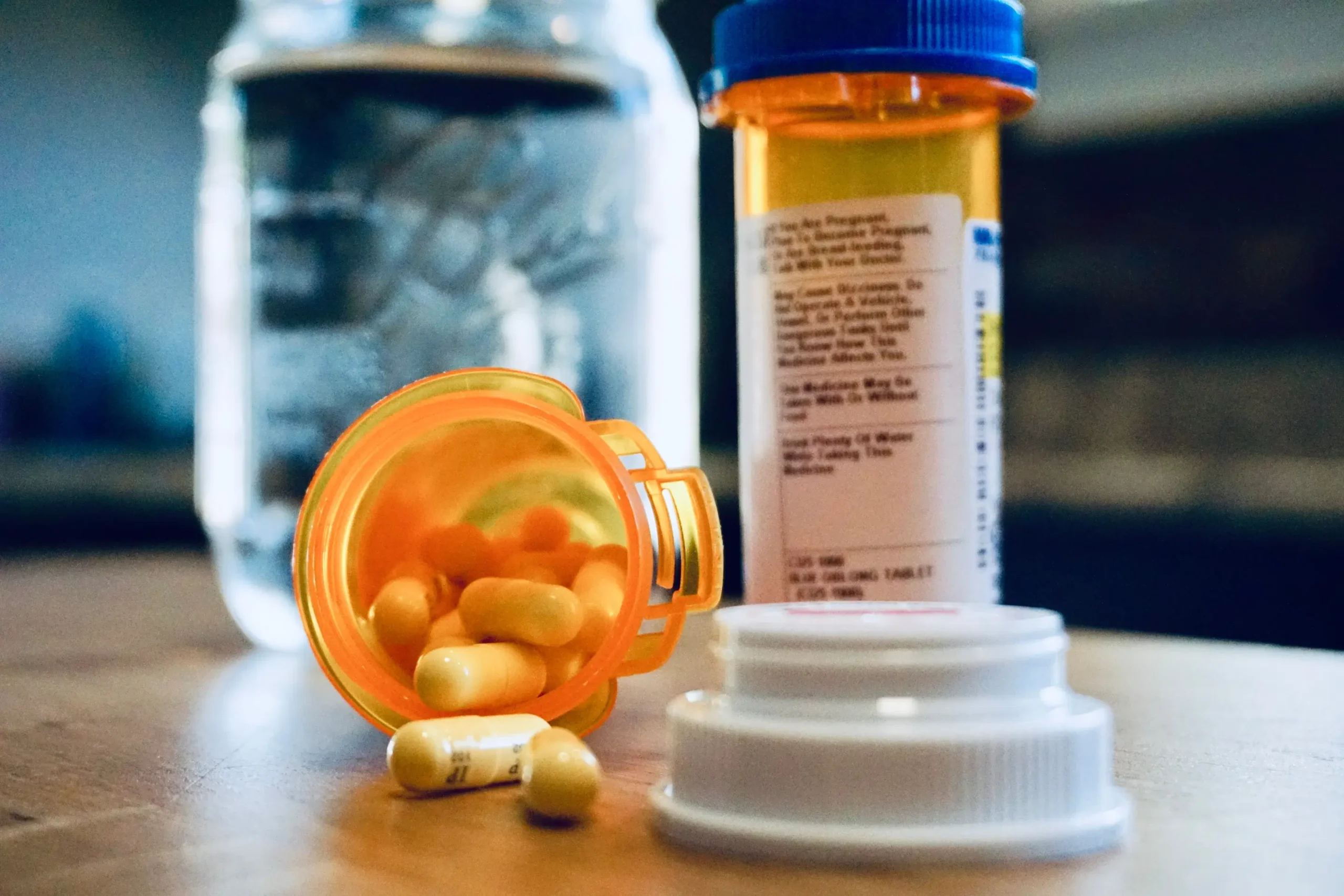
Study drugs are prescription stimulants such as Adderall, Vyvanse, and Ritalin that are often misused by students seeking increased focus, energy, or academic performance.
Using Adderall to study may temporarily increase alertness, but it does not guarantee better grades and can increase the risk of addiction, anxiety, sleep problems, and other health complications.
Students struggling with dependence on study drugs can benefit from professional treatment that addresses both stimulant misuse and underlying mental health concerns.
Understanding Study Drugs
College life is filled with excitement, challenge, and new responsibility. It can also be stressful. For many students, the pressure to perform well can feel constant. They are expected to maintain good grades, hold jobs, participate in activities, and build a social life all at once. When deadlines pile up and sleep becomes a luxury, it is easy to see why some might look for shortcuts to keep up.
That is where study drugs often enter the picture. These substances are marketed among peers as a simple way to stay awake, improve focus, or power through exams. They seem harmless, especially because they come from a pharmacy. Yet what begins as a tool to study harder can quickly become a source of dependence and harm.
At My Time Recovery, we have seen many young people fall into this cycle. Most are not trying to abuse drugs for fun. They are trying to succeed. But the promise of study drugs often turns out to be false. Behind the short bursts of energy and focus lie serious health, emotional, and legal risks that can change a student’s life completely.
What Are Study Drugs?
The term “study drugs” refers to prescription stimulant medications that are typically prescribed to treat attention deficit hyperactivity disorder (ADHD) or narcolepsy. The most common are Adderall, Ritalin, Vyvanse, and Modafinil. These medications stimulate the central nervous system and increase dopamine and norepinephrine levels in the brain.
When prescribed by a doctor, they can help individuals with ADHD regulate attention, control impulsive behavior, and improve academic performance. When taken without medical supervision, however, these same drugs can have dangerous consequences.
Why Students Misuse Study Drugs
There are many reasons why college students turn to stimulants. Academic pressure is a major one. Many students feel that their future depends on grades, scholarships, or graduate school admissions. Friends may offer pills during finals week, saying, “everyone does it.” The normalization of misuse spreads quickly.
Others use study drugs to cope with exhaustion, lack of sleep, or poor time management. Some believe that if a medication is prescribed to others, it must be safe. In reality, using these drugs without medical oversight can cause long-term physical and emotional damage.
A common pattern begins with occasional use before big exams, then grows into regular use to stay productive. Over time, tolerance develops. Students find they need more of the drug to feel the same effects. That is how misuse becomes dependence, and dependence becomes addiction.
Do Study Drugs Actually Improve Academic Performance?
Many students believe that taking Adderall to study will help them earn better grades, stay focused longer, and outperform their peers. While prescription stimulants may temporarily increase alertness and wakefulness, research shows they do not necessarily improve learning, memory retention, or academic outcomes in people who do not have ADHD.
In fact, students who misuse study drugs often overestimate how productive they are. Staying awake longer does not automatically translate to better understanding of the material. Lack of sleep, poor nutrition, and increased stress can actually make learning more difficult over time.
For students without ADHD, using Adderall to study may create a false sense of confidence while increasing the risk of addiction, anxiety, sleep problems, and other health complications.
Is It Safe To Take Adderall To Study?
Many college students assume that using Adderall to study is safe because the medication is prescribed by doctors. However, taking Adderall without a prescription can be dangerous and may lead to serious physical and mental health consequences.
Possible risks include:
Increased heart rate and blood pressure
Anxiety and panic attacks
Sleep deprivation
Appetite suppression
Dependence and addiction
Mood changes and depression
Legal and academic consequences
Even occasional misuse can carry risks, especially when combined with alcohol, energy drinks, or other substances. If you do not have a prescription, using Adderall to study is considered stimulant misuse.
Is It Safe To Take Adderall To Study?
Many college students assume that using Adderall to study is safe because the medication is prescribed by doctors. However, taking Adderall without a prescription can be dangerous and may lead to serious physical and mental health consequences.
Possible risks include:
Increased heart rate and blood pressure
Anxiety and panic attacks
Sleep deprivation
Appetite suppression
Dependence and addiction
Mood changes and depression
Legal and academic consequences
Even occasional misuse can carry risks, especially when combined with alcohol, energy drinks, or other substances. If you do not have a prescription, using Adderall to study is considered stimulant misuse.
The Dangers of Adderall and ADHD Medication Misuse
Adderall and other ADHD medications work by increasing activity in the brain’s reward and focus centers. This heightened stimulation can feel like laser-sharp concentration and boundless energy at first, but the effects come at a cost.
Physical Health Risks
Heart strain:Misuse can raise heart rate and blood pressure, leading to chest pain, irregular heartbeat, or, in severe cases, heart attack or stroke.
Sleep disruption: Stimulants interfere with the body’s natural sleep cycle, causing fatigue and difficulty concentrating over time.
Appetite loss: Users often skip meals without realizing it, leading to malnutrition and unhealthy weight loss.
Dehydration and headaches: Prolonged use often leads to dehydration, headaches, and fatigue once the drug wears off.
Withdrawal symptoms: Fatigue, irritability, and depression are common when stopping after consistent use.
Mental and Emotional Consequences
Misuse of stimulants affects brain chemistry and emotional balance. Students often describe feeling irritable, anxious, or emotionally numb after repeated use. What begins as a focus aid can soon lead to panic attacks, paranoia, or deep sadness. Some even experience hallucinations or delusions during periods of heavy misuse.
The crash after the drug wears off can be brutal. Energy levels plummet, motivation disappears, and depression can set in. This cycle encourages further use, trapping students in a loop of highs and lows that become harder to escape.
Academic and Social Effects
Ironically, misusing study drugs often harms academic performance rather than helping it. Staying awake longer does not mean learning more. Lack of proper rest and nutrition leads to memory issues and poor decision-making. Students who misuse stimulants are more likely to skip classes, fall behind, or lose interest in subjects they once enjoyed.
Socially, relationships can become strained. Friends and family notice mood swings or irritability. Some students withdraw completely to hide their drug use. Others turn to alcohol or other substances to balance out the effects of stimulants.
Legal and Disciplinary Risks
Possessing or distributing prescription drugs without a prescription is illegal. Colleges may suspend or expel students caught with them. Criminal charges can also follow, affecting future employment or graduate school opportunities. What begins as a “study helper” can quickly lead to serious legal trouble.
Warning Signs That Study Drug Use Has Become a Problem
Recognizing the warning signs early can make a major difference. Many students convince themselves they are only using pills “to get through finals,” but dependency often starts this way.
Behavioral and Emotional Signs
Needing pills to start the day or focus on any task
Taking higher doses than prescribed or intended
Feeling anxious or depressed when not using
Hiding use from family or friends
Losing interest in hobbies or social events
Feeling guilt or shame about use
Physical Signs
Rapid heartbeat or frequent chest discomfort
Significant weight loss or reduced appetite
Persistent insomnia or fatigue
Dry mouth, teeth grinding, or muscle tension
Sweating or tremors during stressful situations
When these symptoms appear, professional help is needed. The brain and body need time to heal and reset. Trying to stop alone can be difficult, and withdrawal can intensify mental health symptoms.
How Study Drug Misuse Impacts Mental Health
College life already puts a strain on mental well-being. Academic pressure, limited sleep, and major life changes can lead to stress and anxiety. When study drugs are added to the mix, emotional health can deteriorate quickly.
Emotional Instability
Stimulants can cause extreme mood swings. One day may bring a sense of clarity and confidence, while the next brings exhaustion and hopelessness. This emotional rollercoaster can feel unpredictable and overwhelming, making it harder to maintain relationships and academic motivation.
Declining Cognitive Function
Over time, the brain becomes reliant on artificial stimulation. Natural focus and memory worsen. Students may feel foggy or unmotivated when not using, leading to more frequent doses to feel “normal.” This cycle can last long after college if left untreated.
Isolation and Guilt
As dependency develops, many students withdraw from friends or lie about their use. They may feel embarrassed or ashamed but unsure how to stop. This isolation increases depression and reduces the likelihood of seeking help.
Co-Occurring Conditions
Anxiety, depression, and trauma often exist alongside stimulant misuse. Treating addiction without addressing mental health rarely works. That is why integrated treatment programs, like those at My Time Recovery, are so effective.
Effective Treatment for Adderall Addiction
Recovery from stimulant addiction is possible with the right care. At My Time Recovery, treatment addresses every aspect of a person’s health: physical, mental, and emotional.
Medical Detox and Stabilization
For those dependent on stimulants, a medically supervised detox ensures a safe and comfortable process. Withdrawal can involve fatigue, sadness, and sleep disturbances. Our team provides 24-hour support and care during this stage to stabilize the body and prepare for continued healing.
Residential Treatment
Our residential program offers a calm, structured, and supportive environment where individuals can focus completely on recovery. Clients receive evidence-based therapy, group counseling, and holistic services such as yoga, sound therapy, and art therapy. Each component supports healing from both addiction and the stress that fuels it.
Day Treatment and Evening IOP
Students who need flexibility can benefit from day treatment or evening intensive outpatient programs (IOP). These programs allow clients to maintain school or work commitments while participating in therapy several days a week. They provide structure and accountability while supporting daily life responsibilities.
Mental Health and Trauma Therapy
Many students misuse stimulants to manage anxiety, depression, or unresolved trauma. Our clinical team uses therapies such as cognitive behavioral therapy (CBT), dialectical behavior therapy (DBT), trauma therapy, and EMDR to address the root causes of substance use.
Age-Specific and Veteran Support
Young adults benefit from treatment that reflects their stage in life. Our age-specific programs create a community of peers who understand one another’s challenges. Veterans returning to school also receive specialized care through our veteran assistance program, which addresses trauma, reintegration, and emotional health.
Holistic and Experiential Therapies
Healing involves more than clinical work. Activities like adventure therapy, fitness training, yoga, and art help clients rebuild confidence, relieve stress, and rediscover purpose. These approaches restore balance and promote long-term well-being.
Study Drugs vs Healthy Study Habits
Study Drugs
|
Healthy Study Habits
|
Temporary energy boost
|
Sustainable focus
|
Increased addiction risk
|
No addiction risk
|
Sleep disruption
|
Better sleep quality
|
Anxiety and crashes
|
Improved mental wellness
|
Healthier Alternatives to Study Drugs
It is natural to want to perform well in college. However, success is built on balance and healthy habits, not chemical shortcuts. Students can maintain focus and energy by using realistic strategies that protect mental and physical health.
Get consistent sleep: Rest improves memory, focus, and emotional regulation.
Manage time: Create schedules, set priorities, and take regular breaks.
Eat nutritious meals: Proper nutrition fuels the brain.
Exercise regularly: Physical activity boosts energy and dopamine naturally.
Use campus resources: Tutoring, study groups, and counseling can provide academic and emotional support.
Ask for help: Talking to a professional early can prevent dependence from worsening.
Small daily changes add up. Students who build healthy routines often perform better academically and feel more confident than those relying on stimulants.
Common Myths About Study Drugs
Many students hear conflicting information about study drugs from friends, classmates, and social media. Unfortunately, some of the most common beliefs about Adderall and other prescription stimulants are simply not true. Understanding the facts can help students make safer and healthier decisions.
Myth: Taking Adderall To Study Will Improve My Grades
Many students believe that taking Adderall to study automatically leads to better academic performance. While stimulants may temporarily increase alertness and wakefulness, they do not guarantee improved learning, memory, or test scores in people without ADHD. In many cases, sleep deprivation, stress, and stimulant misuse can actually make academic performance worse over time.
Myth: Study Drugs Are Safe Because They Are Prescription Medications
Prescription medications can be safe when taken exactly as directed by a healthcare provider. However, using Adderall, Vyvanse, Ritalin, or other study drugs without a prescription carries serious risks. Misuse can lead to anxiety, heart problems, sleep disruption, dependence, and addiction.
Myth: Everyone Uses Study Drugs In College
While study drug misuse does occur on college campuses, most students do not misuse prescription stimulants. The belief that “everyone is doing it” often comes from peer pressure and misconceptions rather than reality.
Myth: You Cannot Become Addicted To ADHD Medication
ADHD medications affect the brain’s reward system and can be habit-forming when misused. Taking higher doses, using someone else’s prescription, or relying on stimulants to study can increase the risk of dependence and addiction.
Myth: Adderall Is The Best Way To Improve Focus
There is no shortcut to healthy concentration and academic success. Consistent sleep, good nutrition, exercise, time management, and effective study habits often provide better long-term results than relying on stimulants. Students who struggle with attention problems should speak with a healthcare professional to determine whether ADHD or another condition may be contributing to their symptoms.
Get Adderall Addiction Support at My Time Recovery in Fresno, CA
If you or someone you care about is struggling with Adderall misuse or dependence on study drugs, there is hope. At My Time Recovery in Fresno, California, we are a family-owned center dedicated to helping clients reclaim their lives from addiction and mental health challenges. Our programs include detox, residential treatment, day and evening IOP, age-specific tracks, and veteran assistance. We use evidence-based therapy, holistic practices, and a supportive environment to guide each client toward long-term recovery. Contact My Time Recovery Today!
FAQs
What are study drugs?
Study drugs are prescription stimulants and other medications that some students use to improve focus, concentration, alertness, or academic performance. While certain study drugs are prescribed to treat ADHD, using them without a prescription can be dangerous.
What are the main study drugs?
The most commonly misused study drugs include Adderall, Ritalin, Vyvanse, and Concerta. These medications are typically prescribed for ADHD but are sometimes used by students seeking increased focus or energy.
What are the top 3 ADHD medications?
Three of the most commonly prescribed ADHD medications are Adderall, Vyvanse, and Ritalin. These stimulant medications can help improve attention, impulse control, and focus when used under medical supervision.
What will give me energy like Adderall?
Adderall is a prescription stimulant that increases alertness and energy. While healthy habits like adequate sleep, exercise, hydration, and proper nutrition can naturally boost energy, no over-the-counter product works exactly like Adderall. Anyone experiencing ongoing fatigue should speak with a healthcare professional.
What is the best drug for focus?
There is no single “best” drug for focus because treatment depends on an individual’s needs and medical history. For people with ADHD, prescription medications such as Adderall, Vyvanse, or Ritalin may improve concentration when prescribed and monitored by a healthcare provider.


