









Key Takeaways
- Residential treatment can help people struggling with kratom addiction by providing a substance-free living environment, structured therapy, and consistent support when outpatient care may not be enough.
- Kratom withdrawal can involve physical discomfort, anxiety, sleep problems, and cravings, making professional assessment important before choosing detox, residential care, or outpatient treatment.
- Choosing the right residential addiction treatment program involves evaluating your substance use, mental health, home environment, and need for continued care after completing treatment.
Yes, residential treatment is an option for people struggling with kratom addiction, especially when quitting has become difficult. Regular kratom use can lead to dependence, withdrawal symptoms, and problems that affect your health and daily life. Residential care provides a structured environment where you can focus on stopping substance use and addressing the habits behind it. Knowing what happens during treatment can help you decide whether this level of care is right for you. At My Time Recovery, we offer residential addiction treatment in Fresno, California, with a family-oriented approach focused on long-term recovery.
Can You Go to Rehab for Kratom Addiction?
Kratom is a plant native to Southeast Asia that contains compounds affecting opioid receptors in the brain. Some people use it for energy, pain relief, relaxation, or to manage symptoms associated with opioid withdrawal.
Although kratom is often marketed as a natural product, repeated use can lead to physical dependence. Some people also develop use patterns that interfere with their health, relationships, or responsibilities.
Residential rehab may be appropriate when kratom use becomes difficult to control or when someone needs more structure than outpatient treatment provides.
A person doesn’t have to reach a certain level of addiction before asking for help. Treatment professionals can assess symptoms, substance use history, and personal circumstances to recommend an appropriate program.
Is Kratom Addiction Treated Like Opioid Addiction?
Kratom’s active compounds interact with opioid receptors, but kratom is not identical to prescription opioids or heroin.
Some symptoms of kratom dependence and withdrawal resemble those associated with opioids. However, kratom products vary considerably in strength and chemical composition.
There is currently no FDA-approved medication specifically for kratom use disorder. Treatment may include behavioral counseling, symptom-focused medical care, and support for related mental health concerns.
The best approach depends on the individual rather than treating every case exactly the same.
When to Seek Treatment for Kratom Addiction
Recognizing problematic kratom use isn’t always easy. Someone may continue working and managing family responsibilities while becoming increasingly dependent on the substance.
Over time, certain warning signs may become more noticeable.
Signs That Kratom Use Has Become a Problem
Common signs include:
- Increased tolerance: Needing larger amounts of kratom to experience the same effects.
- Withdrawal symptoms: Feeling sick, restless, or uncomfortable when you stop using.
- Difficulty quitting: Repeatedly trying to reduce or stop use without success.
- Strong cravings: Frequently thinking about taking kratom or planning the next dose.
- Daily disruptions: Missing responsibilities, hiding substance use, or experiencing relationship problems.
You don’t need to experience every symptom to benefit from an addiction assessment.
When Residential Care May Be Appropriate
Residential treatment may be worth considering if you’ve tried quitting several times, have limited support at home, or find it difficult to avoid situations connected to kratom use.
It may also be helpful when substance use occurs alongside mental health concerns that require regular treatment.
The need for residential care should be based on a professional assessment, not simply how long someone has been using kratom.
What Happens During Residential Treatment?
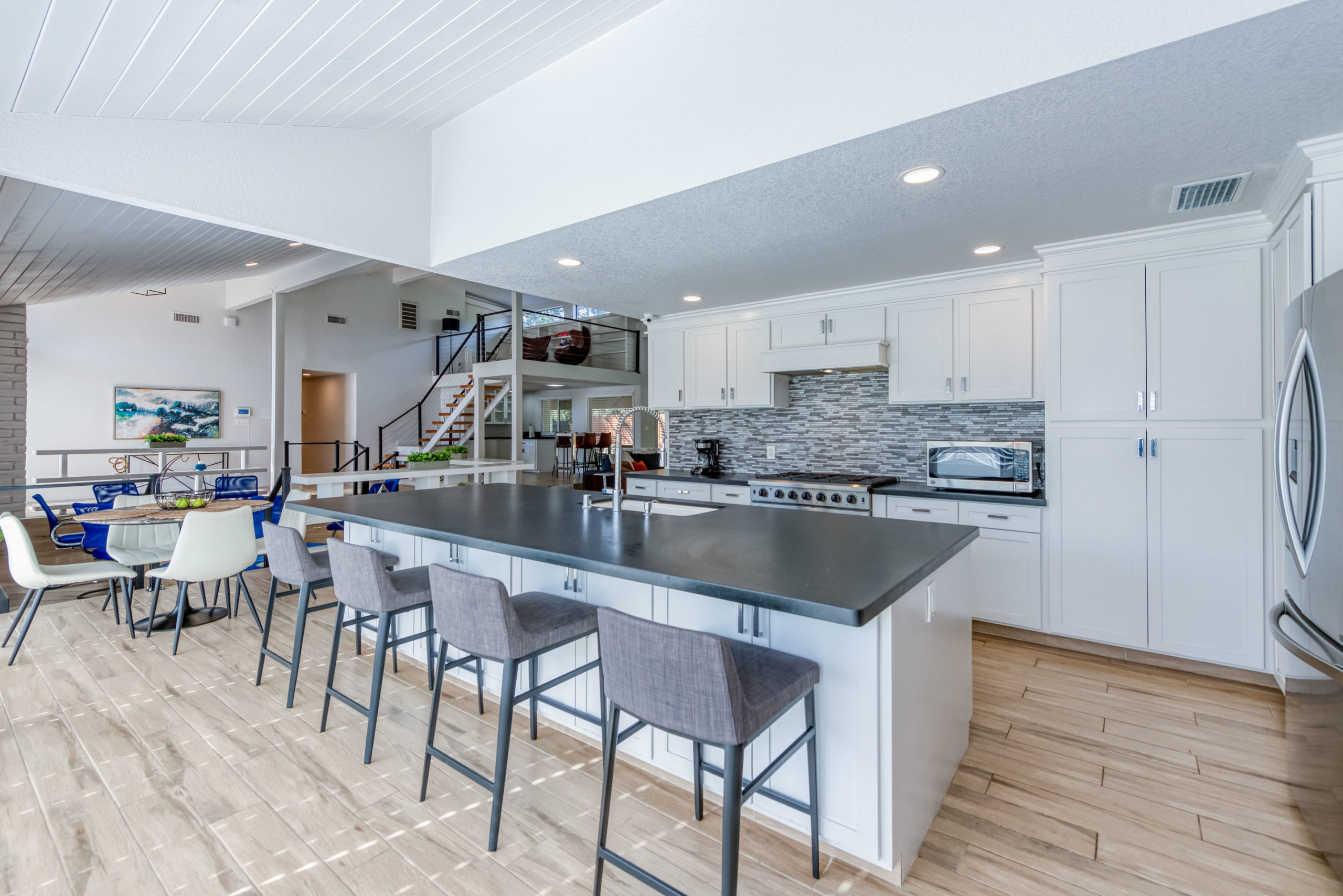
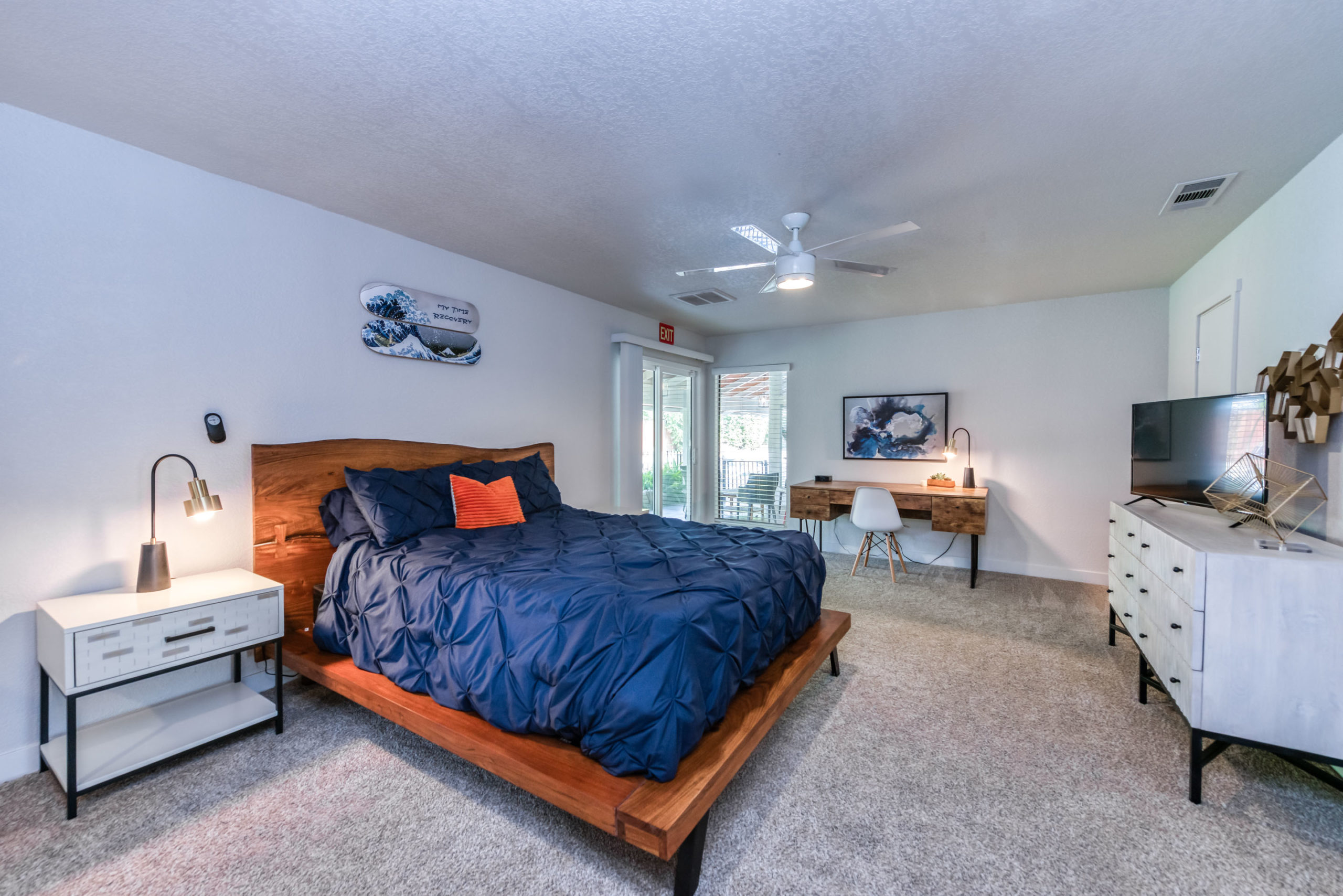
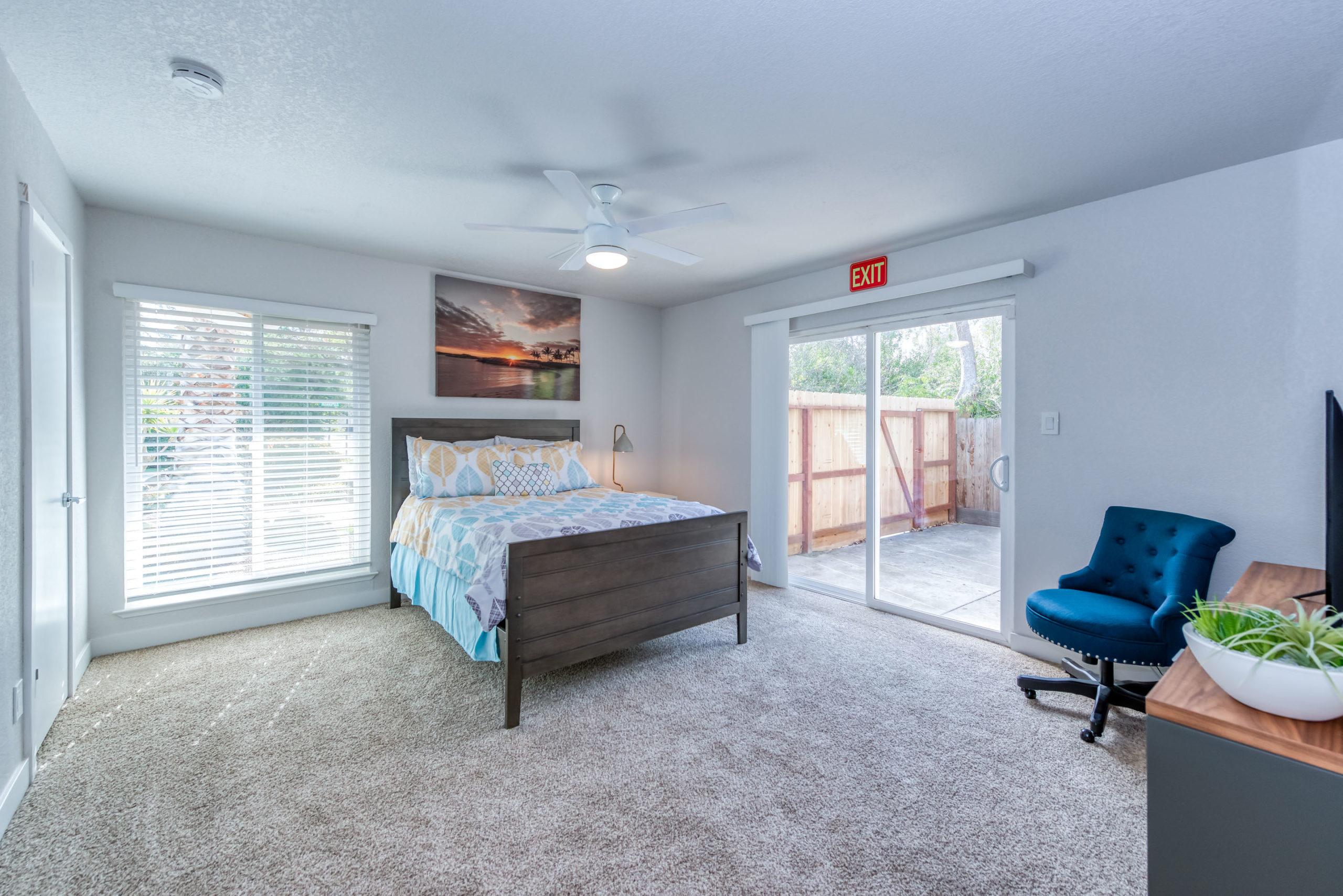
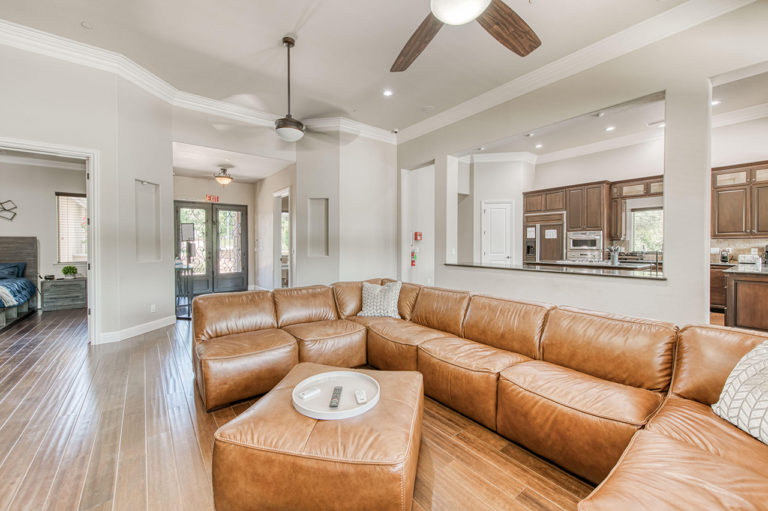
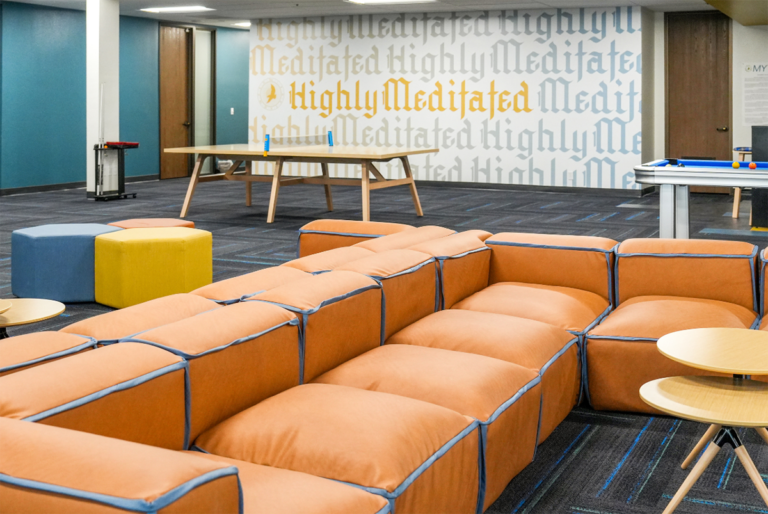
Residential treatment provides a structured living environment where clients receive addiction services while staying at the facility.
Instead of returning home after each session, you remain in a substance-free setting with scheduled treatment activities and daily routines.
Assessment and Treatment Planning
Treatment typically begins with an evaluation of your substance use, physical health, mental health, and previous treatment experiences.
Staff may ask about the type of kratom you use, how often you take it, and whether other substances are involved.
This information helps determine your treatment needs and whether you need additional medical services.
Individual and Group Therapy
Counseling is an important part of residential addiction treatment.
Individual therapy gives you time to discuss personal challenges, substance use patterns, and situations that increase cravings.
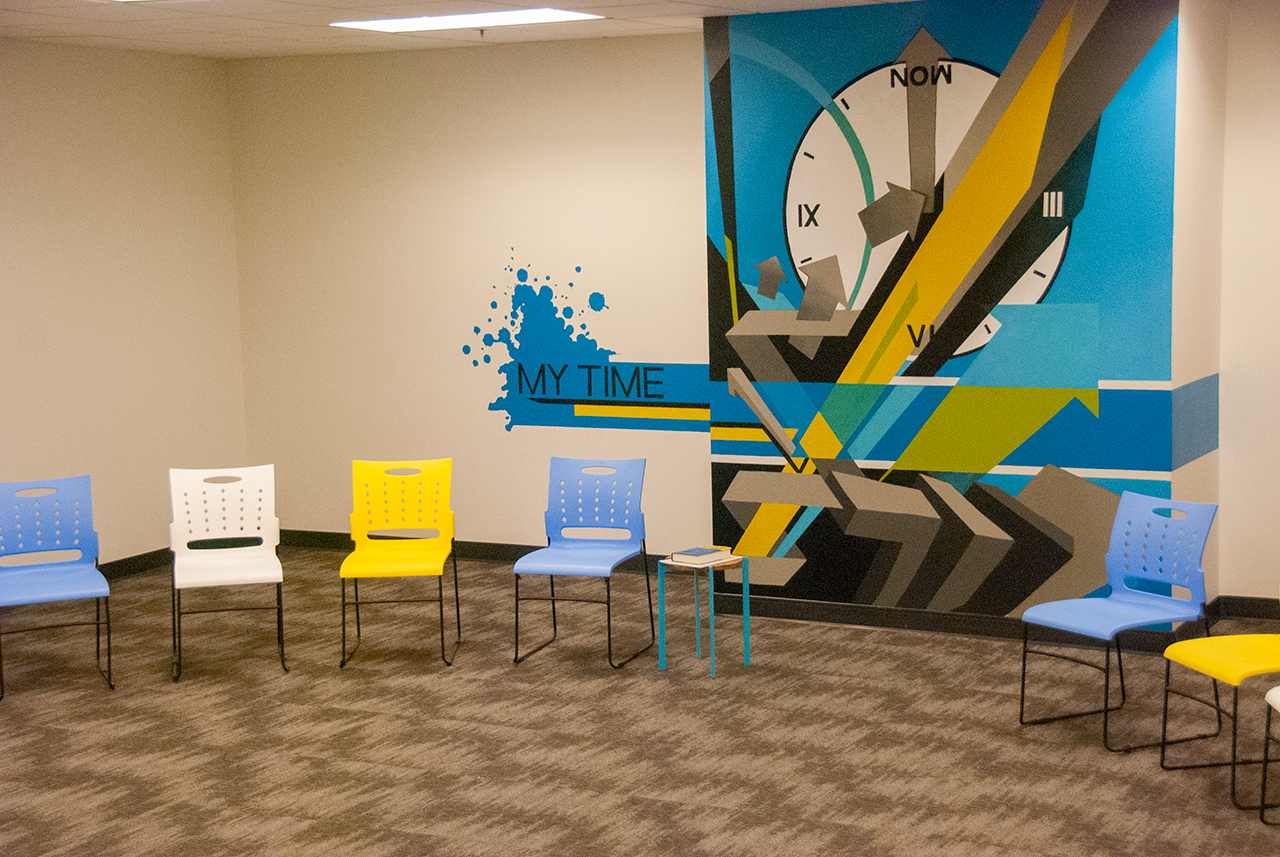
Group therapy provides opportunities to connect with others, practice communication skills, and discuss ways to handle everyday stress without returning to substance use.
Building Healthier Daily Routines
Residential programs also help clients establish structure.
Regular meals, sleep schedules, physical activity, therapy sessions, and time for reflection can support healthier habits.
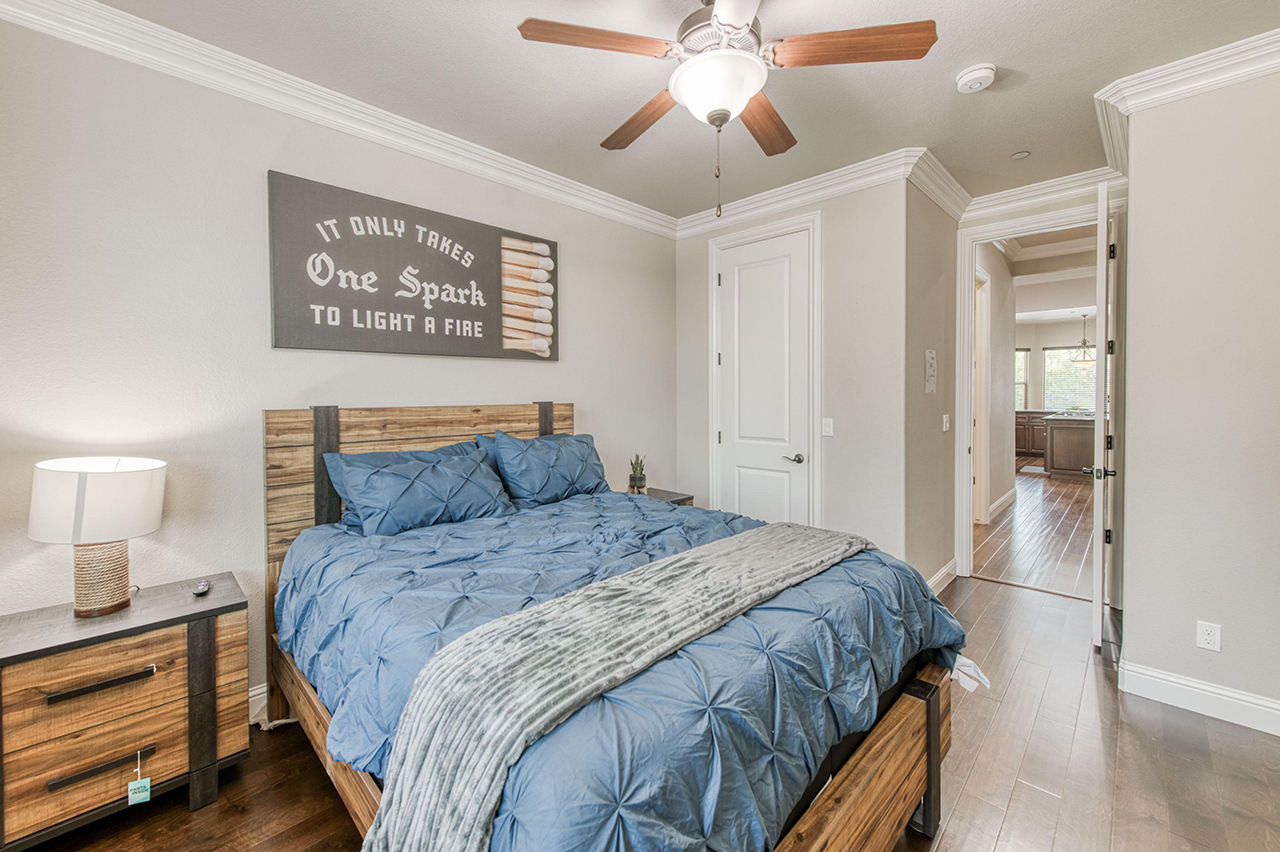
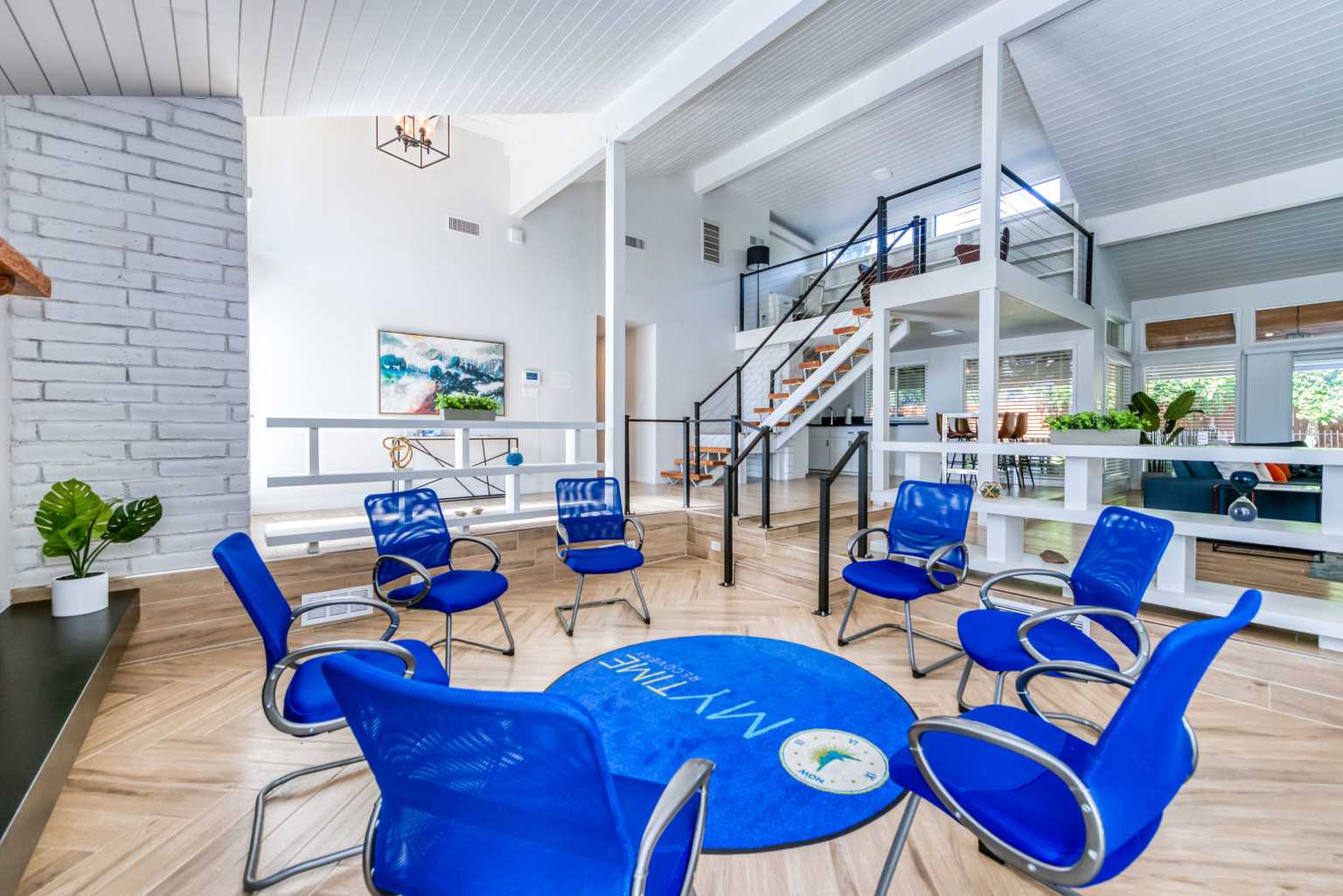
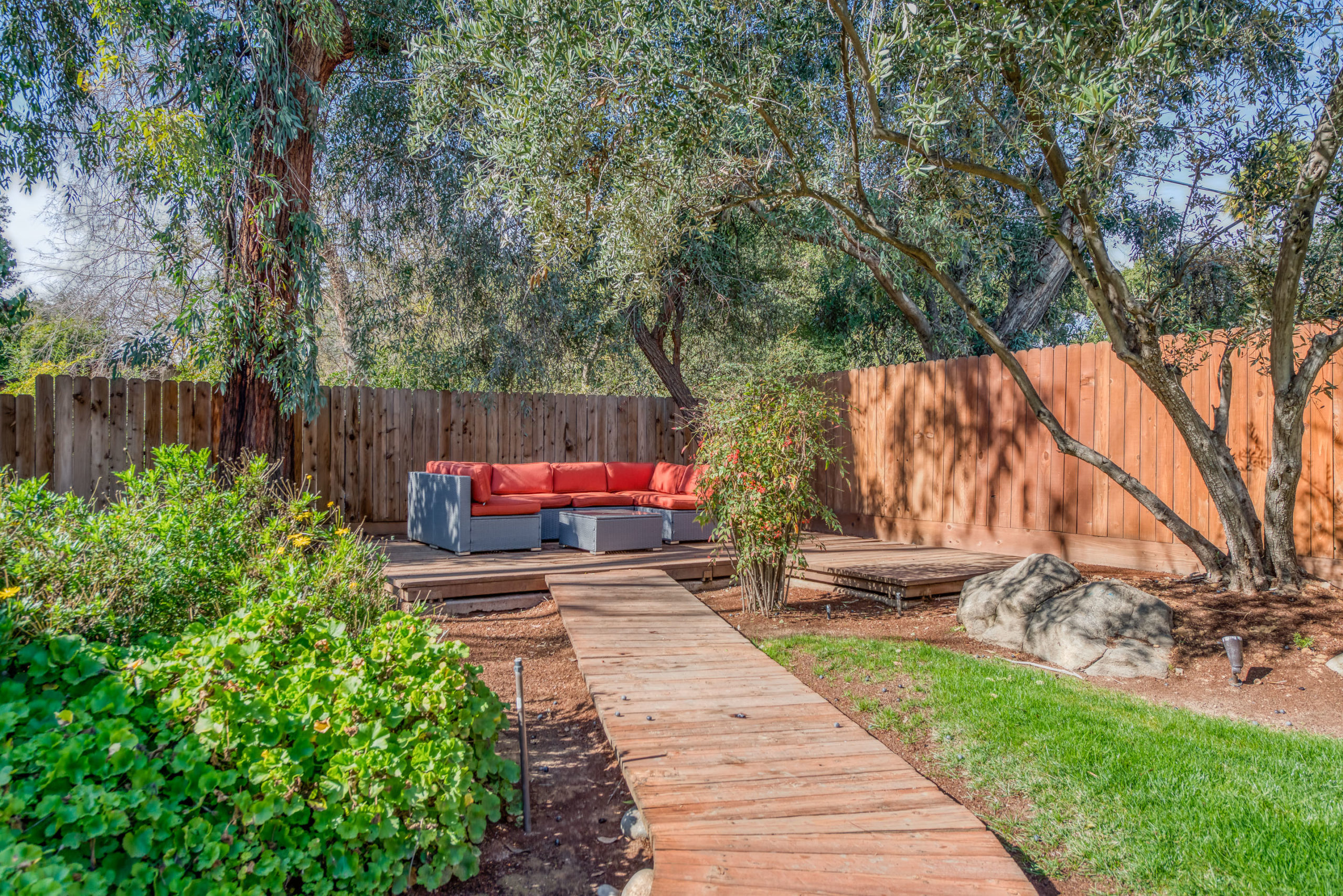
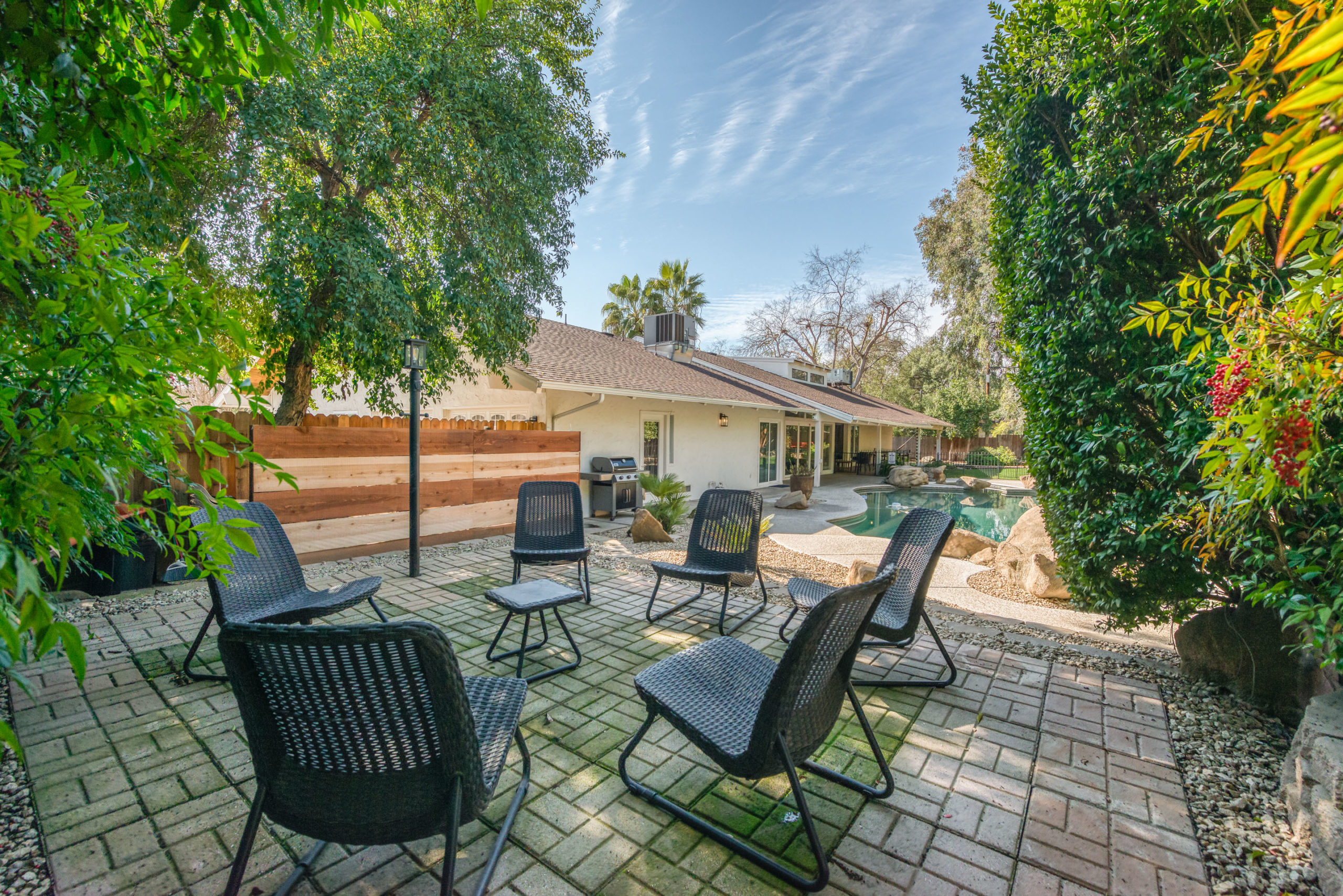
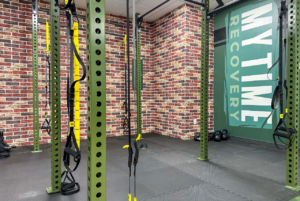
At My Time Recovery, our residential program combines evidence-based interventions, individual and group counseling, and supportive wellness activities in a drug- and alcohol-free environment.
A Typical Residential Treatment Day
| Treatment Activity | Purpose |
|---|---|
| Individual counseling | Address personal challenges and substance use patterns |
| Group therapy | Build communication skills and connect with peers |
| Wellness activities | Support physical health and stress management |
| Recovery education | Identify triggers and practice coping strategies |
| Personal reflection | Review progress and establish recovery goals |
Daily schedules vary by treatment center and individual needs.
Managing Kratom Withdrawal During Treatment
Stopping regular kratom use may cause withdrawal symptoms as the body adjusts.
Symptoms vary depending on the amount used, frequency of use, product strength, and overall health.
Common Withdrawal Symptoms
People may experience muscle aches, nausea, sweating, fatigue, difficulty sleeping, anxiety, irritability, and cravings.
Symptoms may begin within hours or days after the last dose. Some improve within several days, while sleep disturbances or mood changes may continue longer.
There is no fixed withdrawal timeline that applies to everyone.
Does Residential Treatment Include Detox?
Some residential programs provide detox services, while others require clients to complete withdrawal management before entering residential care.
Ask what level of medical support is available.
At My Time Recovery, we offer social model detox, which focuses on stabilization, supportive care, and a structured substance-free environment.
Social model detox differs from medically supervised withdrawal management. Individuals with significant medical concerns, complicated withdrawal risks, or certain types of substance use may require medical supervision elsewhere.
An assessment helps determine the right setting.
Residential vs. Outpatient Treatment for Kratom Addiction
Neither option is automatically better for everyone.
Comparing Treatment Options
| Residential Treatment | Outpatient Treatment |
|---|---|
| Clients stay at the treatment facility | Clients return home after scheduled sessions |
| Provides a structured living environment | Allows greater flexibility with daily responsibilities |
| Offers consistent access to treatment activities | Provides scheduled counseling and support |
| May benefit people with limited support at home | May benefit people with stable housing and support |
| Requires time away from normal routines | May allow continued work or family commitments |
Which Level of Care Is Right for You?
Residential treatment may be appropriate if your home environment makes avoiding kratom difficult or you need consistent support.
Outpatient care may work well if you have stable housing, reliable support, and symptoms that can be safely managed without overnight treatment.
My Time Recovery offers residential treatment, day treatment, and evening intensive outpatient programming, giving clients access to different levels of care based on their needs.
How Long Is Residential Treatment for Kratom Addiction?
The length of residential treatment depends on the program, your clinical needs, and your progress.
Some residential addiction programs last approximately 30 days, while others offer longer stays. These timeframes are general examples and aren’t specific requirements for kratom treatment.
What Affects Treatment Length?
Several factors may influence how long someone stays in residential care:
- Severity of substance use and dependence
- Withdrawal symptoms and physical health
- Mental health conditions requiring treatment
- Previous treatment experiences
- Progress and continued care needs
Completing residential treatment doesn’t mean recovery support has to stop.
Many people benefit from stepping down to outpatient counseling or other services as they return to everyday responsibilities.
Kratom Addiction Statistics and Research
Research on kratom continues to develop, particularly regarding dependence, withdrawal, and product safety.
According to theNational Institute on Drug Abuse (NIDA), an estimated 1.7 million people aged 12 or older in the United States reported using kratom in the past year in 2021.
This statistic reflects kratom use, not the number of people experiencing addiction.
NIDA also reports that kratom’s active compounds interact with opioid receptors and that some people experience dependence and withdrawal symptoms.
TheSubstance Abuse and Mental Health Services Administration (SAMHSA) provides treatment information and referral resources for people dealing with substance use concerns.
What Current Kratom Research Shows
| Research Finding | Why It Matters |
|---|---|
| An estimated 1.7 million Americans aged 12 or older used kratom in the past year in 2021 | Kratom use affects a substantial number of people nationwide |
| Kratom compounds interact with opioid receptors | Regular use may lead to physical dependence |
| Some people experience withdrawal after stopping kratom | Professional assessment may help identify treatment needs |
| No FDA-approved medication specifically treats kratom use disorder | Treatment decisions require individual clinical evaluation |
Source:NIDA Kratom Research.
More research is needed to determine which treatment approaches are most effective specifically for kratom use disorder.
Treating Kratom Addiction and Mental Health Together
Kratom use sometimes overlaps with anxiety, depression, trauma, or chronic stress.
Some people begin using kratom to manage uncomfortable emotions or physical pain. Others experience changes in mood and sleep after becoming dependent on it.
Addressing mental health concerns during addiction treatment can help clients develop healthier coping strategies.
Therapies That Support Recovery
At My Time Recovery, we offer several therapies that may be included in a client’s treatment plan.
Individual and group therapy help clients identify substance use patterns, discuss challenges, and practice relapse prevention skills.
Trauma therapy and EMDR may help certain individuals process distressing experiences when clinically appropriate.
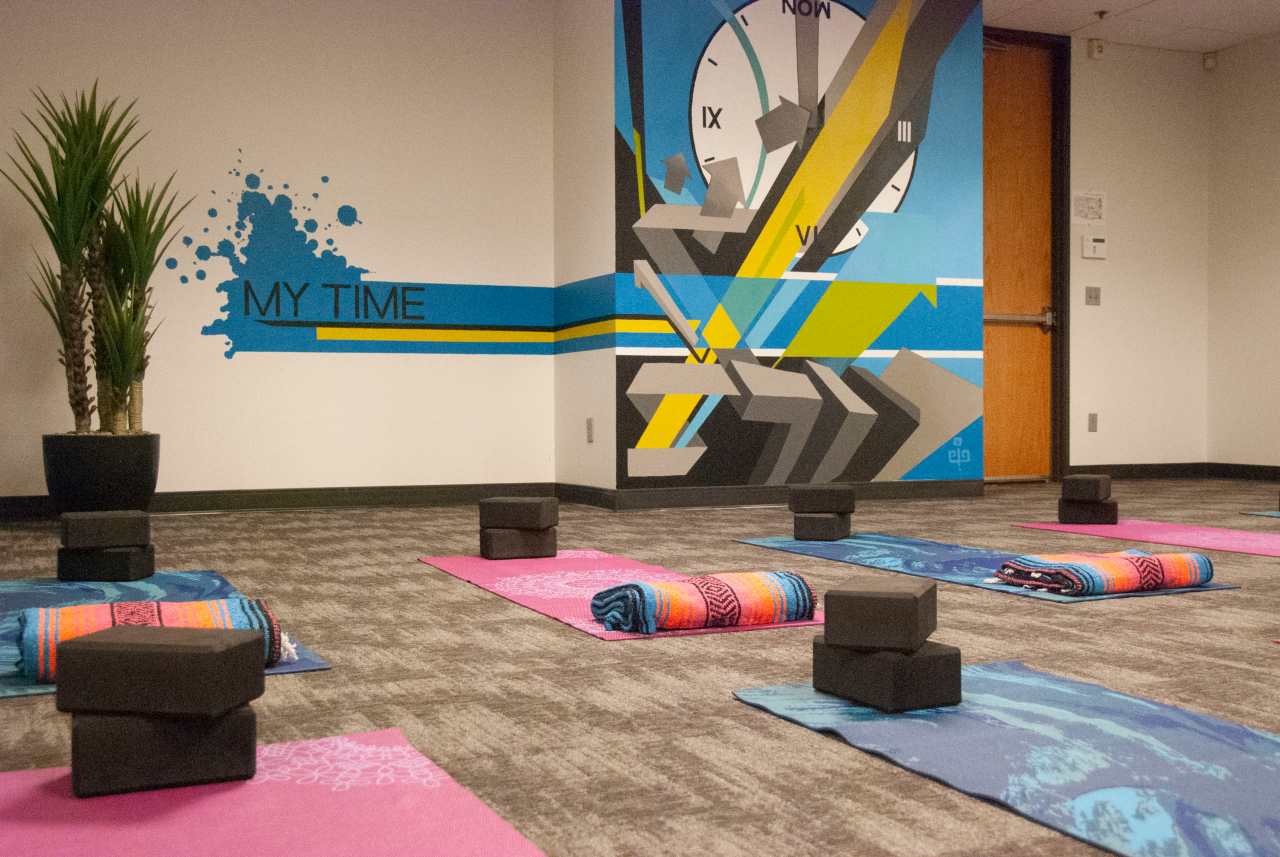
Fitness, yoga, and adventure activities encourage movement, stress management, and healthier routines.
Art and sound-based wellness activities provide additional opportunities for emotional expression and relaxation.
These activities complement established addiction treatment methods and are selected according to each person’s needs.
Why People Choose My Time Recovery in Fresno, California
Choosing a residential treatment center means finding a place where you feel comfortable discussing your concerns and participating in your care.
At My Time Recovery, we’re a family-owned, locally grown addiction and mental health treatment center serving Fresno and the Central Valley.
Our social model detox and residential programs provide a drug- and alcohol-free environment focused on stabilization, therapy, and healthier daily routines.
Multiple Levels of Care
We offer detox, residential treatment, day treatment, evening IOP, and mental health services.
Our age-specific programming and veteran assistance provide additional support for individuals with different treatment needs.
A Family-Oriented Environment
Substance use can affect relationships with loved ones. At My Time Recovery, we emphasize personal connection, community involvement, and healthier relationships throughout treatment.
Evidence-Based and Holistic Treatment
Our approach combines established clinical interventions with activities such as fitness, yoga, art therapy, trauma-focused services, and EMDR when appropriate.
LegitScript Certification
My Time Recovery is LegitScript certified, demonstrating compliance with LegitScript’s standards for transparency and applicable legal and regulatory requirements.
This certification relates to business and advertising compliance and does not guarantee clinical outcomes.
If you’re considering residential care, our team can discuss available services and help determine whether our program is appropriate for your kratom-related concerns.
What Happens After Residential Treatment?
Leaving residential care means returning to daily responsibilities, relationships, and situations that may have contributed to substance use.
A continued care plan can help you prepare for these changes.
Planning for Continued Recovery
Depending on your needs, continued care may include outpatient counseling, mental health appointments, peer support groups, and strategies for managing cravings.
At My Time Recovery, our day treatment and evening IOP programs provide additional levels of care that may be appropriate after residential treatment.
Maintaining healthy routines and staying connected with supportive people can also help you manage challenges.
If setbacks occur, reaching out for additional support or reassessing your treatment plan can help you move forward.
Finding the Right Residential Treatment for Kratom Addiction
Residential treatment can be an appropriate option when kratom use becomes difficult to control, or additional structure is needed. A professional assessment can help determine whether residential care, detox, or outpatient treatment best fits your circumstances. Counseling, mental health services, and healthier daily routines can address different factors connected to substance use. Continued care after residential treatment can also help you maintain progress as you return to everyday life. At My Time Recovery, we provide family-owned residential addiction treatment in Fresno with a focus on personal connection, evidence-based care, and long-term recovery. Call My Time Recovery Today!
Frequently Asked Questions
Can you go to residential rehab for kratom addiction?
Yes. Residential addiction treatment may be appropriate for people struggling with kratom dependence, repeated attempts to quit, or substance use that affects daily life. An assessment helps determine whether residential care is the right level of support.
Is residential treatment necessary for everyone addicted to kratom?
No. Some people benefit from outpatient counseling, while others need a structured residential environment. The appropriate treatment depends on withdrawal symptoms, mental health, home support, and individual circumstances.
How long do you stay in residential treatment for kratom addiction?
Treatment length varies by program and individual needs. Some residential addiction programs last around 30 days, while others provide longer treatment periods. A treatment professional can help determine an appropriate timeframe.
Can residential treatment help with kratom withdrawal?
Residential programs may provide support during early recovery, but withdrawal management services vary by facility. Some people require medical supervision before or during residential treatment, depending on their symptoms and health history.
Does My Time Recovery offer residential treatment for kratom addiction?
Yes. My Time Recovery offers Medical Detox, Residential, PHP, IOP, and Evening IOP levels of care in Fresno, California. We also provide mental health services to support individuals struggling with substance use and co-occurring mental health concerns. Contact our admissions team to discuss kratom addiction and find out which level of care may be right for you.