










Key Takeaways:
- Residential addiction treatment provides a structured environment with around the clock support for people who need more care than outpatient treatment can provide.
- Recognizing the signs that you need residential treatment early can help reduce the risk of relapse and improve long term recovery outcomes.
- At My Time Recovery, clients receive personalized care, evidence based therapies, and ongoing support to build a healthier, substance free future.
When Getting Help Becomes the Best Decision?
Knowing when to seek a higher level of care can be difficult, especially if addiction has gradually become part of everyday life. Many people wait until relationships, work, or health have been seriously affected before considering treatment. Recognizing the warning signs early can help you get the support you need before things become more difficult. Residential addiction treatment offers a safe place to focus completely on recovery while building the skills needed for long term success. At My Time Recovery, we help clients throughout Fresno and the Central Valley take the first step toward lasting recovery.
What Is Residential Addiction Treatment?
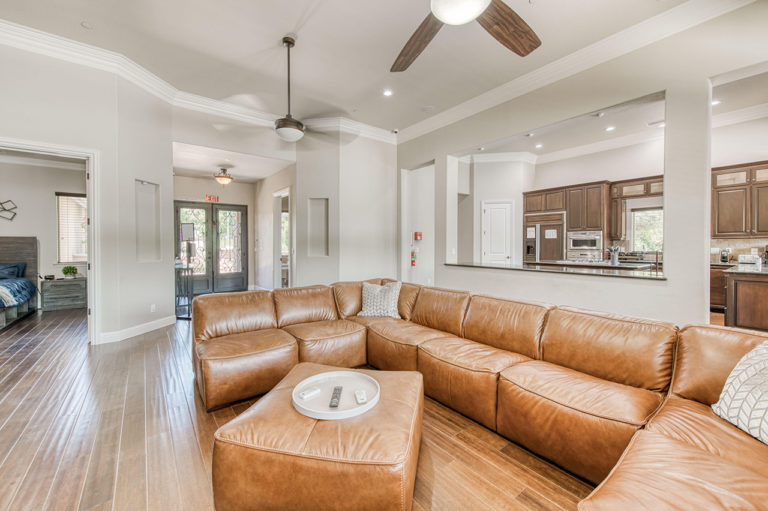
Residential addiction treatment is a live in program where people receive 24 hour care while focusing entirely on recovery. Clients live at the treatment center, participate in therapy each day, and receive ongoing support from experienced professionals.
Residential treatment often includes:
- Individual therapy
- Group therapy
- Medical monitoring when needed
- Mental health treatment
- Relapse prevention
- Family involvement
- Holistic therapies
- Recovery education
Living in a structured environment allows people to step away from everyday triggers while developing healthier habits and coping skills.
What Are the Signs You Need Residential Addiction Treatment?
Everyone’s experience with addiction is different, but certain warning signs often indicate that a higher level of care may be needed.
You may benefit from residential addiction treatment if you:
- Have tried to quit without success
- Continue using despite negative consequences
- Experience frequent cravings
- Have relapsed after previous treatment
- Need a safe place away from triggers
- Struggle with both addiction and mental health concerns
- Find it difficult to manage work, school, or family responsibilities because of substance use
If several of these signs apply to you, residential treatment may provide the support needed to begin lasting recovery.
When Is Outpatient Treatment No Longer Enough?
Outpatient treatment works well for many people, but it is not always enough for people with more severe substance use disorders. If recovery becomes increasingly difficult between appointments, a more structured setting may be appropriate.
Signs outpatient treatment may no longer meet your needs include:
- Frequent relapse
- Increasing substance use
- Missing therapy appointments
- Strong cravings throughout the day
- Difficulty avoiding triggers
- Ongoing mental health symptoms
- Unsafe home environment
Outpatient Treatment vs Residential Treatment
Outpatient Treatment | Residential Treatment |
Live at home | Live at the treatment center |
Therapy several times each week | Daily structured treatment |
Greater independence | Around the clock support |
Best for stable recovery | Best for moderate to severe addiction |
Less supervision | Highly structured environment |
Moving into residential treatment is not a sign of failure. It simply means you need a higher level of support to help you achieve lasting recovery.
How Does Addiction Affect Your Daily Life?
Addiction often impacts much more than substance use. Over time, it can affect nearly every area of a person’s life, making everyday responsibilities harder to manage.
Common effects of addiction include:
- Problems at work or school
- Financial difficulties
- Relationship conflicts
- Anxiety or depression
- Poor physical health
- Loss of motivation
- Social isolation
- Legal problems
As these challenges grow, they can make recovery more difficult without professional help. Residential addiction treatment provides time and support to begin rebuilding healthy routines while addressing the underlying causes of addiction.
Can You Benefit From Residential Addiction Treatment After Relapsing?
Relapse does not mean treatment has failed. Addiction is a chronic condition, and many people experience setbacks before achieving lasting recovery. If you have returned to drug or alcohol use after previous treatment, residential addiction treatment can provide the structure and support needed to regain stability.
Residential treatment may be especially helpful if you:
- Have relapsed more than once
- Feel unable to stay sober at home
- Need a safe environment away from triggers
- Continue experiencing strong cravings
- Need treatment for both addiction and mental health conditions
Returning to treatment after a relapse allows you to identify what contributed to the setback and develop stronger coping skills for the future.
What Happens During Residential Addiction Treatment?
Every treatment program is different, but most residential addiction treatment programs follow a structured daily schedule that combines therapy, education, and healthy activities.
A Typical Day in Residential Treatment
Time | Activity |
Morning | Breakfast and goal setting |
Mid Morning | Group therapy |
Late Morning | Individual therapy |
Afternoon | Educational groups and life skills |
Evening | Wellness activities and peer support |
A structured routine helps clients develop healthy habits while creating stability during the early stages of recovery.
What Are the Benefits of Residential Addiction Treatment?
One of the biggest advantages of residential addiction treatment is the opportunity to focus completely on recovery without the distractions and triggers of everyday life.
Benefits include:
- Around the clock support
- A structured daily schedule
- Individualized treatment plans
- Evidence based therapies
- Peer support
- Mental health treatment
- Relapse prevention planning
- Family involvement
- A safe, substance free environment
These benefits help clients build a stronger foundation before returning to everyday life.
How Long Does Residential Addiction Treatment Last?
The length of residential addiction treatment depends on each person’s needs, progress, and treatment goals. Some people benefit from shorter stays, while others may need additional time to stabilize and strengthen their recovery.
Several factors influence the length of treatment, including:
- Severity of addiction
- Mental health needs
- History of relapse
- Physical health
- Progress in therapy
- Clinical recommendations
Rather than focusing on completing treatment as quickly as possible, the goal is to remain in treatment long enough to build healthy habits, address the underlying causes of addiction, and prepare for the next stage of recovery.
What Do the Latest Residential Addiction Treatment Statistics Say?
Residential treatment continues to play an important role in helping people recover from substance use disorders. According to the 2023 National Survey on Drug Use and Health (NSDUH), 48.5 million people aged 12 or older had a substance use disorder in the past year. This highlights the need for treatment programs that provide structured support, therapy, and ongoing care for lasting recovery.
For many people, residential addiction treatment provides the stability needed to begin recovery before transitioning to lower levels of care and continuing support.
Why Do People Choose My Time Recovery for Residential Addiction Treatment?
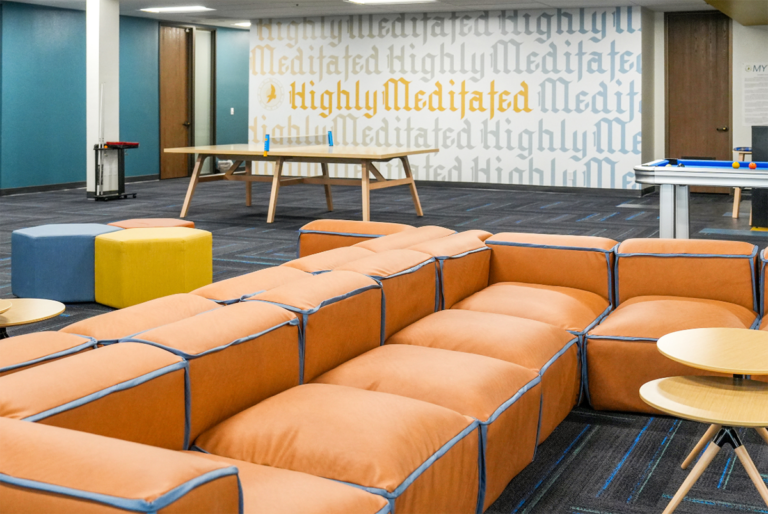
Choosing the right treatment center is one of the most important decisions you can make. At My Time Recovery, we provide a safe, structured environment where clients can focus fully on recovery while receiving personalized care from an experienced treatment team. As a family owned and locally grown treatment center, we are proud to help individuals and families throughout Fresno and the Central Valley find hope and lasting recovery.
People choose My Time Recovery because we offer:
- Social model detox
- Residential treatment
- Evening Intensive Outpatient Program (IOP)
- Day treatment
- Age specific treatment
- Mental health treatment
- Veteran assistance
- Individual therapy
- Group therapy
- Trauma therapy
- EMDR therapy
- Fitness therapy
- Yoga
- Sound therapy
- Art therapy
- Adventure therapy
- Relapse prevention planning
- Continuing care
Our programs combine evidence based treatment with holistic therapies to help clients build healthier habits, strengthen relationships, and prepare for life after treatment. My Time Recovery is also LegitScript Certified, demonstrating our commitment to quality care, transparency, and high professional standards.
Start Residential Addiction Treatment in Fresno, CA Today
Recognizing the signs that you need residential addiction treatment can be the first step toward changing your life. If addiction is affecting your health, relationships, work, or overall well being, professional treatment can provide the structure and support needed to begin healing. Residential care allows you to step away from everyday triggers while focusing on building healthy habits that support long term recovery.
At My Time Recovery, we are committed to helping clients throughout Fresno and the Central Valley overcome addiction through residential addiction treatment. Call My Time Recovery Today!
FAQs
How do you know if you need residential addiction treatment?
You may need residential addiction treatment if you have severe addiction, repeated relapses, strong cravings, an unsafe home environment, or have not been successful with outpatient treatment.
Who is a good candidate for residential treatment?
A good candidate for residential treatment is someone who needs 24 hour support, structured daily care, and a safe environment to focus fully on recovery from addiction or co-occurring mental health conditions.
How long do most people stay in residential addiction treatment?
The length of residential addiction treatment varies based on individual needs, but many programs last 30, 60, or 90 days, with some people benefiting from a longer stay depending on their recovery progress.
Can you leave residential treatment early?
Yes, you can leave residential treatment early, but completing the full program recommended by your treatment team often provides the best opportunity for building long term recovery and reducing the risk of relapse.
What happens after residential addiction treatment?
After residential addiction treatment, many people transition to day treatment, an Intensive Outpatient Program (IOP), continuing care, or support groups to maintain progress and strengthen long term recovery.