














Key Takeaways:
- Fresno drug rehab success should be measured through several outcomes, including reduced substance use, better mental health, treatment completion, stable housing, and stronger daily functioning.
- Completing drug rehab and participating in aftercare can help clients practice coping skills, manage triggers, and maintain support after structured treatment ends.
- My Time Recovery provides several levels of addiction and mental health care in Fresno so clients can receive support based on their current needs and responsibilities.
Drug Rehab Success Rates
There is no single success rate that applies to every treatment center or every client. Drug rehab results depend on how success is defined, the services provided, treatment completion, and the support available after care. Progress may include sobriety, reduced drug use, better mental health, repaired relationships, safe housing, or improved daily functioning. Looking at several outcomes gives families a more accurate picture than relying on one percentage. My Time Recovery helps Fresno clients build progress through addiction treatment, mental health services, family support, and continued care.
How Is Success Measured in Drug Rehab Programs?
Success means different things for different clients. Complete abstinence may be one goal, but it is not the only outcome worth measuring.
Treatment providers may also track reduced drug use, fewer overdoses, improved mental health, better physical health, and participation in work or school. Stable housing, legal progress, and healthier family relationships can show meaningful change as well.
A person entering detox has different short term goals from someone completing residential treatment or evening IOP. Detox success may mean completing withdrawal safely and entering the next level of care. Residential success may include finishing the program, building coping skills, and following a discharge plan.
Treatment centers should explain which results they measure and how long clients are followed. A percentage has little meaning if the facility does not define success, state the time period, or explain how it collected the information.
Measures of Drug Rehab Success
Measure | What it may show |
Treatment completion | The client remained engaged through the planned program |
Abstinence | The client stopped using drugs or alcohol |
Reduced substance use | Use became less frequent or less harmful |
Better mental health | Symptoms and emotional distress became more manageable |
Improved physical health | Sleep, nutrition, energy, and medical care improved |
Stable housing | The client moved into a safer living setting |
Stronger relationships | Communication, trust, and boundaries improved |
Work or school progress | The client returned to productive daily activities |
Aftercare participation | Support continued after structured treatment |
No single measure tells the full story. Looking at several areas provides a clearer view of a client’s progress.
Does Completing Drug Rehab Improve Recovery Outcomes?
Finishing a planned treatment program can be a meaningful sign of progress. It gives clients more time to address substance use, practice coping skills, and prepare for life outside a structured setting.
Completion alone does not guarantee permanent sobriety. It shows that the client stayed involved long enough to receive the planned services and create a continuing care plan.
The National Institute on Drug Abuse states that remaining in treatment for enough time is important and that participation lasting less than 90 days has limited effectiveness for residential or outpatient care. NIDA also notes that treatment lasting longer is often recommended for maintaining positive outcomes.
How Do Sobriety and Reduced Substance Use Measure Success?
Sobriety is a clear and important measure for many clients. It may be tracked through self reports, drug testing, treatment attendance, and follow up visits.
Still, recovery research increasingly recognizes that reduced substance use can also be a positive clinical outcome. A client who uses less often, avoids overdose, reduces dangerous behavior, or returns to treatment may be making progress even if complete abstinence has not yet been reached.
This does not mean drug use is risk free. Any return to use can be dangerous, especially after tolerance has decreased. Opioid use carries a serious overdose risk, and clients should have access to naloxone when appropriate.
The National Institute on Drug Abuse explains that reduced drug use can bring clinical and public health benefits. Recognizing improvement may also reduce the shame that keeps people from returning to care after a setback.
Substance use outcome | What it may mean |
Continued abstinence | The client has not returned to substance use |
Fewer days of use | Substance use has become less frequent |
Lower amount used | Exposure and some related harms may be reduced |
No overdose events | A major safety outcome has improved |
Quick return to care | The client responded early after a setback |
Reduced risky behavior | Health, legal, or family harm has decreased |
A treatment plan can still maintain abstinence as its goal while recognizing steps that reduce immediate harm.
Why Are Better Mental Health and Daily Functioning Signs of Progress?
Addiction can affect sleep, mood, concentration, physical health, and decision making. Improvement in these areas may show that treatment is helping, even before every part of life feels settled.
Mental health progress might include fewer panic attacks, less severe depression, better emotional control, or improved sleep. A client may also become more willing to discuss trauma or ask for help during a difficult moment.
Daily functioning is another useful measure. Getting out of bed, preparing meals, attending appointments, paying bills, and caring for personal hygiene can represent real progress.
Clients with addiction and mental health disorders often need care for both conditions. Treating substance use while ignoring trauma, anxiety, depression, or other symptoms may leave major triggers unaddressed.
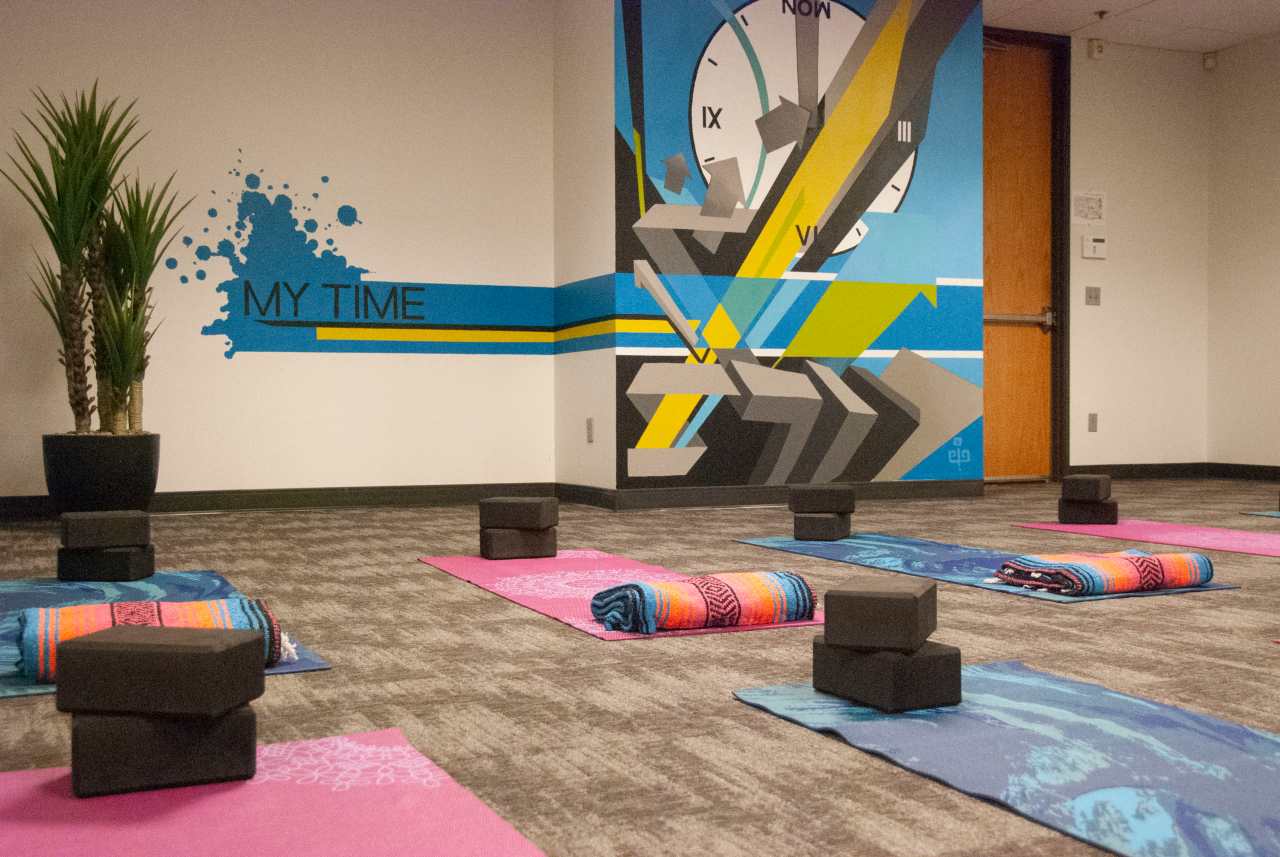
My Time Recovery provides mental health services along with addiction care. Trauma therapy, EMDR, art therapy, yoga, fitness, sound, and adventure activities give clients different ways to work on stress, emotions, and physical wellness.
Can Improved Family Relationships Show That Drug Rehab Is Working?
Addiction often affects the entire household. Broken promises, financial problems, secrecy, and conflict can damage trust between clients and their loved ones.
Healthier relationships can be a sign that treatment skills are being used outside therapy. Progress may appear through honest communication, kept commitments, respectful boundaries, or calmer responses to conflict.
Trust usually takes time to rebuild. Family members may still feel worried after a client completes treatment. Regular actions often matter more than large promises.
Family involvement can also help relatives stop patterns that unintentionally support substance use. They can practice setting boundaries while remaining caring and available.
Not every relationship should be restored. If a person is abusive, actively using drugs, or repeatedly placing the client at risk, distance may be the safer choice. Success can include recognizing which relationships support recovery and which do not.
How Do Employment, Housing, and Life Stability Affect Recovery Success?
Stable housing gives clients a safer place to sleep, store medication, prepare meals, and follow a routine. A home where drugs are present may make early recovery much harder.
Employment and education can add structure, income, and a sense of purpose. Success does not always mean returning to full time work immediately. A gradual return may be safer while the client continues treatment.
Financial stability may start with small steps, such as opening bills, making a budget, or arranging a payment plan. Legal progress might involve attending court, following probation rules, or addressing past charges.
These practical outcomes matter because daily stress can increase cravings. Treatment can help clients respond to housing, money, or work problems without returning to drug use.
Life Stability Progress Chart
Area | Early progress | Longer term progress |
Housing | Entering sober living | Maintaining stable housing |
Employment | Preparing a resume | Keeping steady work |
Education | Contacting a school | Completing classes |
Finances | Creating a budget | Paying bills consistently |
Legal concerns | Attending required meetings | Completing court obligations |
Daily routine | Following a basic schedule | Managing responsibilities independently |
Progress may happen at different speeds. A person can improve in one area while still needing support in another.
What Role Do Aftercare and Ongoing Support Play in Long Term Recovery?
Treatment does not end the moment a client leaves residential care. Aftercare helps the person use new skills in daily situations where stress and triggers are present.
Support may include day treatment, evening IOP, outpatient counseling, mental health services, sober living, medical appointments, and peer meetings. The right mix depends on the client’s risks and responsibilities.
NIDA states that substance use disorders are treatable chronic conditions and that some people may need several treatment episodes. A return to use does not automatically mean the original care failed. It may mean that the treatment plan needs to be resumed or changed.
Aftercare can also catch warning signs early. Missed appointments, isolation, poor sleep, family conflict, and renewed contact with people who use drugs may signal that more support is needed.
At My Time Recovery, clients can move through several levels of care based on clinical needs. Evening IOP can be useful for people balancing treatment with work, school, or family duties.
Which Factors Can Affect Drug Rehab Success Rates in Fresno?
Success rates are influenced by much more than location. A Fresno treatment center may serve clients with very different substances, health concerns, home settings, and levels of support.
The type and severity of substance use can affect results. Someone entering care after years of opioid or methamphetamine use may have different needs from a person receiving early help for less frequent use.
Other factors include:
- Time spent in treatment
- Participation in therapy
- Mental health care
- Safe housing
- Family and peer support
- Access to transportation
- Continued care after discharge
- Willingness to return after a setback
Program quality also matters. Clients should look for qualified staff, evidence based care, clear policies, several levels of treatment, and planning for life after discharge.
Success percentages should be viewed carefully. Ask whether a facility counts only clients who finished treatment, whether results are self reported, and how many months passed before follow up.
Questions to Ask About a Reported Success Rate
Question | Why it matters |
How does the program define success? | Definitions may range from completion to long term abstinence |
Who was included in the calculation? | Excluding clients who left early can raise the reported rate |
How long were clients followed? | A 30 day result differs from a one year result |
How was drug use measured? | Self reports and drug tests use different methods |
How many clients responded? | Missing follow up data can affect the percentage |
Were mental health and life stability measured? | Sobriety is only one possible outcome |
A trustworthy provider should explain its methods rather than offering a vague promise.
Why Do People Choose My Time Recovery for Drug Rehab in Fresno?
My Time Recovery is a family owned treatment center serving Fresno and the Central Valley. Programs include detox, residential care, day treatment, evening IOP, mental health services, age specific treatment, and veteran assistance.
Clients receive individual and group therapy in a drug and alcohol free setting. My Time Recovery also offers fitness, yoga, adventure, sound, trauma, EMDR, and art therapy and holds LegitScript certification for meeting standards involving transparency and legal compliance.
Start Fresno Drug Rehab Today
No single percentage can describe the success of every Fresno treatment program or client. Meaningful progress may include sobriety, reduced substance use, stronger mental health, stable housing, repaired relationships, and better daily functioning. Treatment completion and aftercare can give clients more time and support to build these changes. Families should ask how a provider defines and measures its outcomes before relying on a reported rate. My Time Recovery supports several areas of recovery through family oriented addiction and mental health care in Fresno. Call My Time Recovery Today!
FAQs
What percentage of people stay sober after drug rehab?
There is no reliable percentage that applies to every person or treatment center. Results depend on the substance involved, treatment length, mental health, living environment, and continued support.
Does returning to drug use mean rehab failed?
No. NIDA describes addiction as a treatable chronic condition in which a return to use can occur. The event may show that treatment should be restarted, changed, or increased.
How can I compare Fresno drug rehab success rates?
Ask each provider how it defines success, who was included, how long clients were followed, and how outcomes were measured. Be cautious of high percentages offered without those details.
Is treatment completion the same as long term recovery?
No. Completion is a positive measure of engagement, but recovery continues afterward. Ongoing therapy, stable housing, support groups, and healthy relationships may affect later results.
How does My Time Recovery measure client progress?
Progress may include treatment participation, reduced substance use, better mental health, stronger coping skills, healthier relationships, and readiness for the next level of care.