














Key Takeaways
- Stress can become a major addiction trigger for women when drugs or alcohol are repeatedly used to cope with pressure, difficult emotions, trauma, or relationship problems.
- Recognizing stress triggers early and practicing healthier coping skills can help women manage cravings and respond to difficult situations without returning to substance use.
- My Time Recovery provides addiction and mental health treatment in Fresno that helps women address stress, triggers, trauma, relationships, and other concerns connected to substance use.
Stress is part of everyday life, but too much of it can make recovery from addiction harder. Some women may turn to drugs or alcohol when dealing with work, relationships, parenting, trauma, finances, or difficult emotions. Over time, substance use can become a familiar response whenever stress builds. Treatment can help women recognize that pattern and find healthier ways to manage pressure. At My Time Recovery in Fresno, women can address addiction, stress, mental health, and personal concerns in a supportive treatment setting.
Statistics on Addiction and Mental Health Among Women
Substance use and mental health concerns affect many women across the United States. According to the Substance Abuse and Mental Health Services Administration, 14.2% of adult women ages 18 and older had a substance use disorder in 2024. Among women ages 18 to 25, the rate was even higher at 24.5%.
Mental health concerns are also common. SAMHSA reported that 26.7% of adult women had a mental illness in 2024, compared with 38.5% of women ages 18 to 25. In addition, 32.9% of adult women had either a substance use disorder or a mental illness, rising to 47.9% among women ages 18 to 25.
Research from the National Institute on Drug Abuse also points to the connection between stress and substance use. NIDA explains that stress can affect brain systems involved in addiction and may contribute to continued drug use or a return to substance use.
These numbers show why women’s addiction treatment may need to consider mental health, stress, trauma, and the situations that make cravings harder to manage.
Why Can Stress Be a Major Addiction Trigger for Women?
Stress can become an addiction trigger when women use drugs or alcohol to cope with pressure, difficult emotions, or problems at home or work. Substance use may provide short term relief, but the stress usually returns and can lead to more cravings.
At My Time Recovery, therapy can help women recognize stress triggers and practice healthier ways to cope. Building these skills can make it easier to handle difficult situations without turning to drugs or alcohol.
How Stress Can Become Part of the Addiction Cycle
Stage | What May Happen |
Stress appears | Work, relationships, finances, trauma, or other pressure builds |
Emotions increase | Anxiety, frustration, sadness, or anger may become harder to manage |
Craving develops | Drugs or alcohol may feel like a quick way to cope |
Substance use occurs | Temporary relief may follow |
Consequences appear | Health, relationships, finances, or responsibilities may be affected |
Stress increases | New problems can trigger another craving |
Recognizing where this cycle starts gives women a chance to respond before stress turns into substance use.
What Types of Stress Can Increase Substance Use in Women?
Stress can come from work, relationships, parenting, finances, grief, health problems, trauma, poor sleep, or major life changes. These pressures can feel especially hard when several happen at the same time.
Stress does not always lead to addiction, but problems can grow when drugs or alcohol become the main way to cope. Treatment can help women identify their biggest stress triggers and practice healthier ways to respond.
How Can Chronic Stress Affect a Woman’s Risk of Addiction?
Chronic stress can come from ongoing problems with work, finances, relationships, caregiving, or emotional health. Some women may begin using drugs or alcohol regularly to cope with that stress, which can make substance use harder to stop over time.
Substance use can also create more stress through health, financial, work, or relationship problems. Treatment can help women recognize this pattern and practice healthier ways to manage ongoing stress without relying on drugs or alcohol.
How Are Stress, Trauma, and Addiction Connected in Women?
Stress and trauma can be connected to addiction when women use drugs or alcohol to cope with painful memories, anxiety, fear, or other difficult emotions. Substance use may provide temporary relief, but those feelings can return and lead to continued use.
At My Time Recovery, Trauma Therapy and EMDR can help women identify emotional triggers and build healthier ways to cope. Treatment can move at a comfortable pace while helping women build trust, stability, and healthier responses to stress.
How Can Mental Health Concerns Make Stress and Substance Use Worse?
Mental health concerns can make stress harder to manage. Anxiety, depression, and PTSD may cause worry, low energy, sleep problems, or difficult emotions that can increase the urge to use drugs or alcohol.
SAMHSA reported that 26.7% of adult women had a mental illness in 2024, including 38.5% of women ages 18 to 25. At My Time Recovery, addiction and mental health treatment can help women recognize triggers, manage emotions, and build healthier ways to cope with stress.
Mental Health and Substance Use Among Women in 2024
Measure | Adult Women 18+ | Women Ages 18 to 25 |
Substance use disorder | 14.2% | 24.5% |
Any mental illness | 26.7% | 38.5% |
SUD or any mental illness | 32.9% | 47.9% |
How Can Women Recognize Stress Triggers Before They Lead to Substance Use?
Women can recognize stress triggers by noticing what happens before a craving starts. Triggers may include arguments, work problems, money concerns, poor sleep, loneliness, anxiety, or feeling overwhelmed.
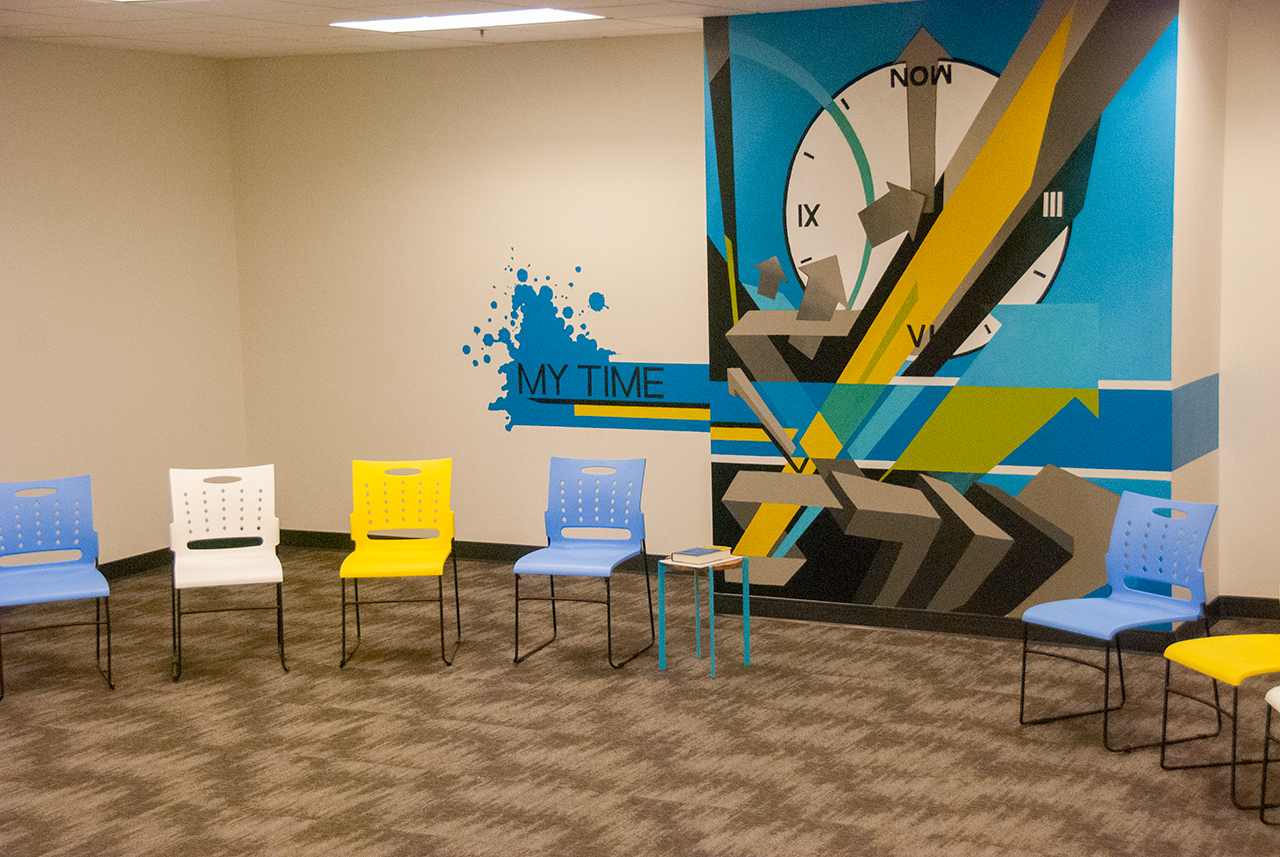
Physical and emotional changes, such as headaches, irritability, restlessness, or sadness, can also be signs that stress is building. At My Time Recovery, individual and group therapy can help women identify these warning signs and practice healthier ways to respond before stress leads to substance use.
What Healthy Coping Skills Can Help Women Manage Stress Without Drugs or Alcohol?
Healthy coping skills can help women manage stress and cravings without turning to drugs or alcohol. Exercise, breathing exercises, yoga, creative activities, healthy sleep, setting boundaries, and reaching out for support can all help during stressful situations.
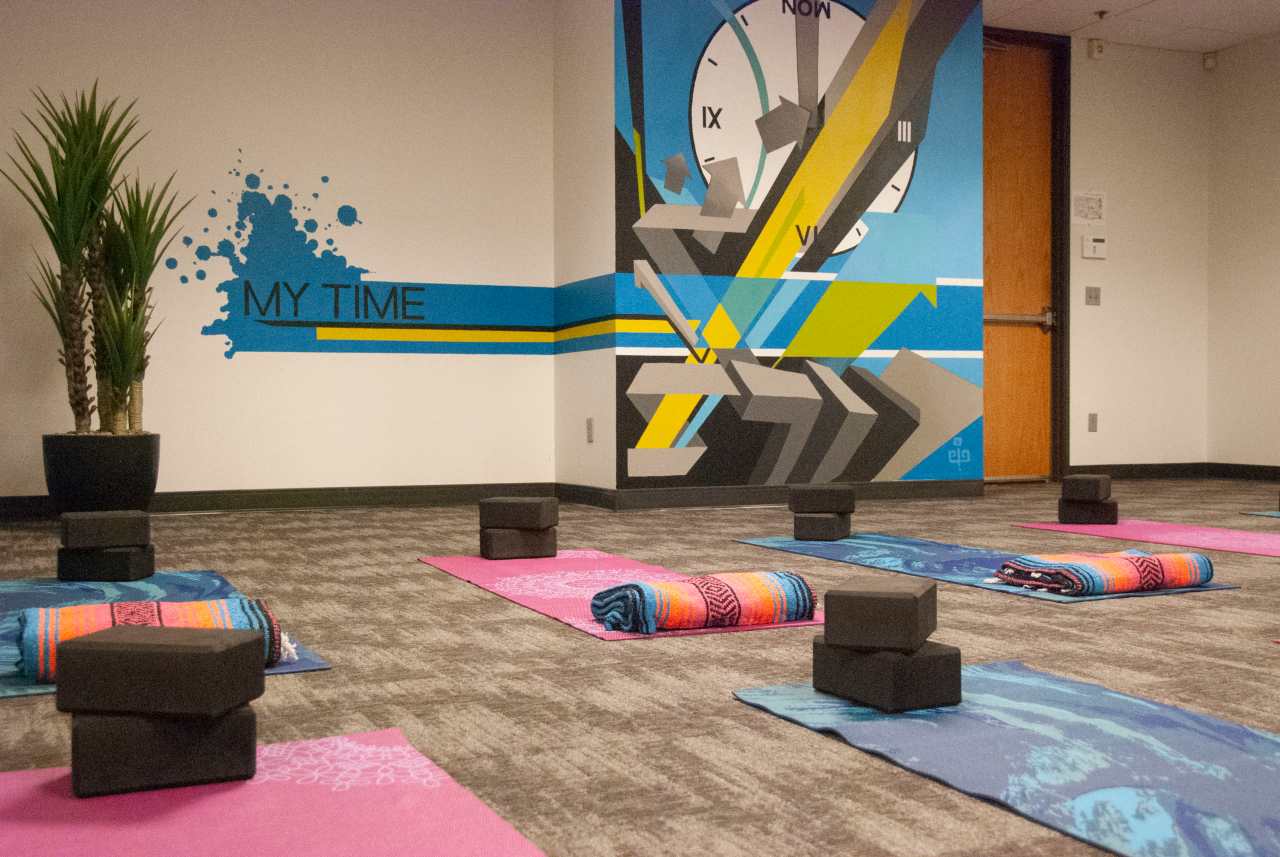
At My Time Recovery, women can practice coping skills through individual and group therapy, fitness, yoga, art therapy, adventure activities, and community support. These skills can make it easier to handle stress in healthier ways during and after treatment.
How Can Women’s Drug Rehab Help Manage Stress and Prevent Relapse?
Women’s drug rehab can help women recognize stress triggers and warning signs that may increase the risk of returning to substance use. Treatment can also help women build coping skills, healthy routines, and a plan for handling cravings.
My Time Recovery offers Detox, Residential Treatment, Day Treatment, Evening IOP, and mental health support. These programs can help women manage stress, address mental health concerns, and practice healthier ways to respond when difficult situations arise.
Why Do Women Choose My Time Recovery for Addiction Treatment?
Women may choose My Time Recovery because we address addiction along with mental health, trauma, stress, and relationships. Our family owned treatment center in Fresno offers Detox, Residential Treatment, Day Treatment, Evening IOP, mental health treatment, and several therapy options.
My Time Recovery uses a social model approach that focuses on community, healthy routines, coping skills, and relationships in a drug and alcohol free setting. We are also LegitScript certified and provide addiction and mental health care for people throughout Fresno and the Central Valley.
Managing Stress Can Support Long Term Recovery
Stress can become a major addiction trigger when drugs or alcohol are used repeatedly to cope with difficult emotions or situations. Recognizing personal triggers can help women respond before stress turns into a craving or substance use. Therapy, healthy routines, coping skills, mental health care, and continued support can provide healthier ways to handle life’s pressure. Women’s drug rehab can give women time and structure to practice these skills and prepare for stressful situations after treatment. My Time Recovery provides drug rehab and mental health treatment for women in Fresno and throughout the Central Valley. Call My Time Recovery Today!
Frequently Asked Questions
Why can stress make women want to use drugs or alcohol?
Stress can create difficult emotions such as anxiety, frustration, anger, or sadness. If a woman has used substances to cope with those feelings before, stress may trigger a craving and make returning to substance use feel more tempting.
What are common stress triggers for women in addiction recovery?
Common triggers can include work pressure, financial problems, family conflict, parenting responsibilities, unhealthy relationships, trauma, loneliness, poor sleep, and mental health concerns. Triggers are different for each woman.
How can women manage stress without using drugs or alcohol?
Women can manage stress through exercise, breathing exercises, therapy, healthy sleep routines, boundaries, creative activities, yoga, and reaching out for support. Practicing several coping strategies gives women more options during difficult moments.
Can stress cause someone to relapse after addiction treatment?
Stress can increase cravings and the risk of returning to substance use, especially when someone does not have healthy ways to cope. Recognizing warning signs, using a relapse prevention plan, and asking for support early may help reduce that risk.
Where can women get drug rehab for stress and addiction in Fresno?
My Time Recovery provides addiction and mental health treatment in Fresno, California. Programs include Detox, Residential Treatment, Day Treatment, Evening IOP, age-specific treatment, mental health treatment, and veteran assistance.